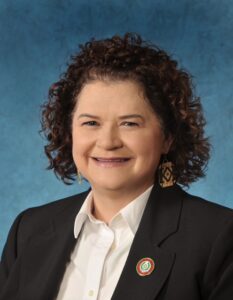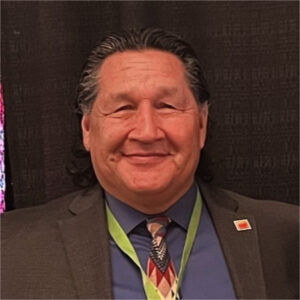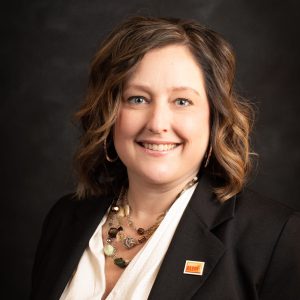

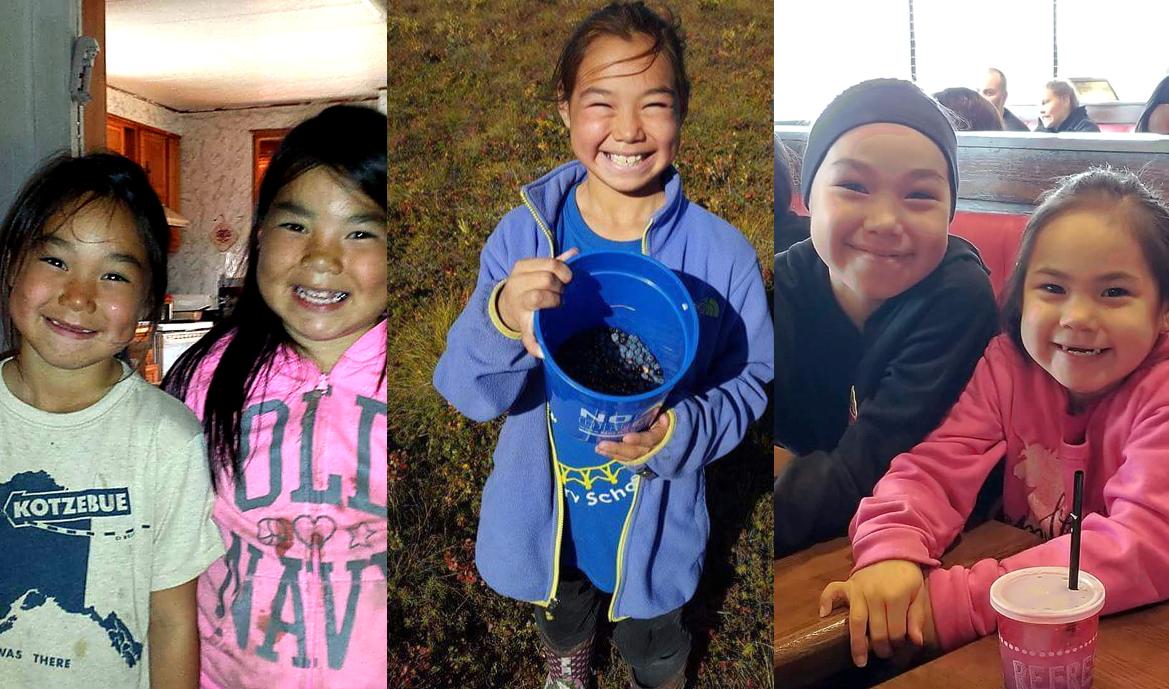
Ashley Johnson Barr shown with her sisters as well as a bucket of fresh blueberries
From left: Ashley Johnson-Barr with her sister, Aaliyah Johnson-Barr; Ashley with a container of just-picked blueberries; and Ashley with her sister, Amber Kasey Barr


Editor's Note: On September 6, 2018, 10-year-old Ashley Johnson-Barr of Kotzebue, a member of the Indigenous Arctic Iñupiat Tribe, was abducted while walking to a park to meet a friend. Her lifeless body was found eight days later in a remote area of tundra, and her killer ultimately would be sentenced to life in prison. Exclusively for The AMBER Advocate, Ashley's father, Walter "Scotty" Barr, has penned this letter to his daughter on what would have been her 18th birthday (March 12, 2026)—a day officially recognized in Alaska as Ashley Johnson-Barr Day.
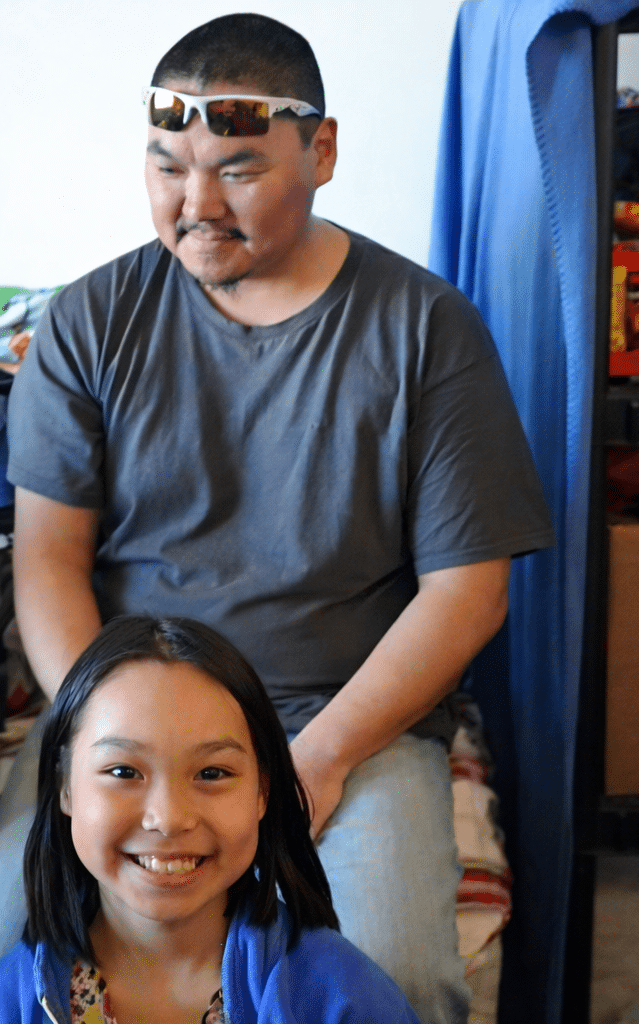
Photo of a man with a young girl, both smiling. It shows Scotty Barr with his (late) daughter Ashley Johnson-Barr
Walter "Scotty" Barr with his daughter, Ashley Johnson-Barr

My beloved Ashley,

Here I am, wishing you happiness on what should have been your 18th birthday today—March 12, 2026.

My heart overflows with love as I remember the day you were born. It was the transition from winter into early spring—there was still snow on the ground, and the Arctic air was slowly warming. Tears of happiness filled the room, telling me another beautiful girl had been born, a true blessing from God. As I wander down memory lane, I cry, I smile, and I hold onto the love of knowing that God the Father, God the Mother, and the Holy Spirit gave me the best 10 wonderful years I could ever have asked for.

And today, Ashley Kelly Mae Robyn (Sanmigan) Johnson-Barr, those of us who truly loved you honor your beautiful life and send our loving memories and birthday wishes to you in heaven.

Ashley, you have such a loving spirit—kind, caring, responsible, and full of joy. I remember you as a 10-year-old child who cherished time with your best friend and sister, Aaliyah, and with other friends every day. I saw how you loved playing at school parks, attending weekly church services with family and friends, and being part of many church communities. We enjoyed ice fishing, playing basketball, picking berries—you simply loved being outdoors and living life to the fullest.

You were also an honor student and strong speller in school. All of your teachers and the school staff were impressed by your intelligence, as well as your desire to help in your classes and support your classmates in any way you could. (And I can’t believe this would be the year you would have walked with Kotzebue High School’s graduating Class of 2026.)

Looking back I’m in awe of how gifted you were—smart, hardworking, a quick learner, kind-hearted, and deeply loving. We think of you whenever we have your favorite foods—fish with seal oil, homemade donuts, homemade bread. And we love seeing your favorite color, purple, which was inspired by my sister, Auntie Mona.

It’s obvious that your friends loved being around you because of your warmth and light. You also had such a heart for spreading love in our community. You enjoyed helping with the community college gardens and participating in community events. You were special to everyone and everything you touched.

That is why your loss impacted so many lives—in our community, surrounding villages, cities across Alaska, the Lower 48, and around the world. Yet through that loss, we have been brought together by the love you had for God.

Today, I honor you by advocating for Missing and Murdered Indigenous People and by serving as a resource for other families walking this painful path.

And one dream I had became a reality in February 2020. That’s when State Senator Dr. Donny Olson and the Alaska Legislature passed a resolution recognizing March 12—your birthday—as Ashley Johnson-Barr Day, honoring survivors of sexual abuse and domestic violence and those impacted by such violence. The City of Kotzebue also renamed a park in your honor: Ashley Johnson-Barr Memorial Park.

I believe this is the greatest birthday gift we can give you. I take comfort and pride in knowing this, and I believe you would too.

Just know that your presence is deeply and greatly missed, yet your spirit continues to touch countless lives.

Happy birthday, my dearest Dimples. It may be 18 years since you were born, but to me, you will forever be 10 years old.

With sincere love,

Your Dad (and Mom and Siblings)

May the grace of the Lord be with all God’s people. Amen.
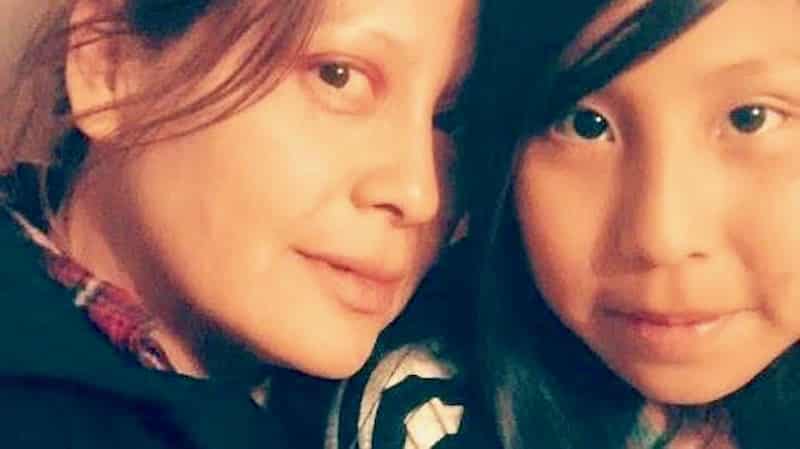
Photo of woman and girl. Image of Pamela Foster with Ashlynne Mike.
The author, Pamela Foster, with her daughter, Ashlynne Mike (2004-2016)

November 13, 2025: Today we celebrate our beautiful Ashlynne on what would have been her 21st birthday. So many milestones have come and gone, and though we’ve marked each one, they’ve never felt complete without her.

Ashlynne was an achiever—bright, determined, and full of promise. I often find myself wondering what incredible things she would have accomplished by now. My sweet girl continues to grow in spirit, even if she can’t be here to share in all that life has brought since she left us.

Photo of butterflyHer favorite food was spaghetti, so today our family gathers to share a meal, to play her favorite music, and to celebrate the joy she brought into every life she touched. I imagine her energy dancing around us, light and free, mingling with laughter, song, and memory. I feel her with me in every butterfly, dragonfly, and hummingbird that crosses my path. She gave so much of herself to this world, and though unseen, she has never truly left us.
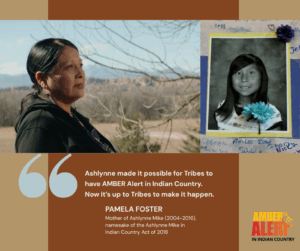
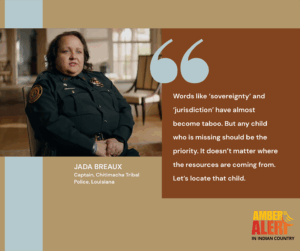
Ashlynne is our angel, always watching over us—a loving soul who knew only how to love others. When she left us so suddenly, our hearts broke open. But from that heartbreak came purpose. I have carried her spirit with me as I’ve worked to bring about change, to protect others as she would have done. I believe she guided us, pulling the strings from above, helping to pass a law—the Ashlynne Mike AMBER Alert in Indian Country Act of 2018—to protect our Indigenous children. I am endlessly proud of her. Not a day passes that I don’t tell her, “I love you.”

Today, as we remember Ashlynne, we’ll laugh and cry and laugh again, letting the tears fall where they need to. Her light continues to shine through us all—in love, in hope, and in every beautiful memory she left behind.

✨Happy heavenly 21st birthday, my sweet Ashlynne. You are forever loved, forever missed, and forever ours. 💖🦋

Pamela Foster


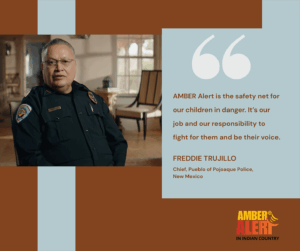
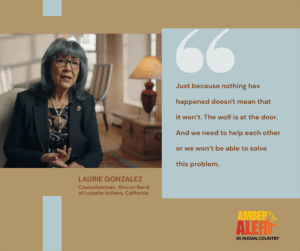
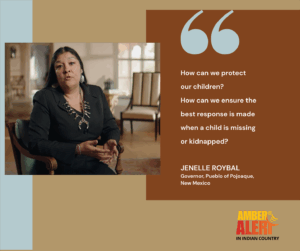
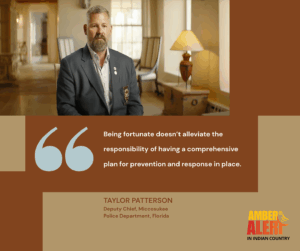
Implementing AMBER Alert plans in Indian Country plans comes with unique challenges: jurisdictional rights, infrastructure and resources limitations, crime reporting complexities, the need for cultural understanding, and multiagency collaboration.

AATTAP’s AMBER Alert in Indian Country (AIIC) initiative is a bridge meant to overcome such issues—and this subject is at the core of our ongoing series, “Voices from AMBER Alert in Indian Country.”

Watch our three new videos that feature insights from law enforcement leaders from across the nation: https://amberadvocate.org/aiic/aiic-home/. (Also read all the video’s process and goals: https://amberadvocate.org/issues/aa63-amber-alert-in-indian-country-in-focus-2/)

The compelling endeavor, filmed in New Mexico by the Indigenous-led film company Bravebird, focuses on “opening eyes, finding resources and forming lasting partnerships to ensure every person matters,” says Janell Rasmussen, Director of the National Criminal Justice Training Center and Administrator of the AMBER Alert Training & Technical Assistance Program (AATTAP).
– Denise Gee Peacock

By Denise Gee Peacock

May 25 is National Missing Children's Day, but for the AMBER Alert Training & Technical Assistance Program (AATTAP) and National Criminal Justice Training Center (NCJTC), we think about missing children every single day.

Janell Rasmussen, Director of the National Criminal Justice Training Center and Administrator of the AMBER Alert Training & Technical Assistance Program
Janell Rasmussen NCJTC Director AATTAP Administrator

“We not only train child protection professionals to quickly and safely resolve missing child incidents, but also work with some amazing family members of missing children and siblings,” says Janell Rasmussen, National Criminal Justice Training Center Director/ AATTAP Administrator. 

“Family members such as Colleen Nick, Kimber Biggs, Jeffery Morehouse, and Desiree Young, to name a few, have shared their perspectives during training sessions, symposiums, and multimedia projects meant to help law enforcement understand family members’ unique perspectives. We owe them a debt of gratitude for their compassion and candor. And we stand strong with them and all other family members of missing children as they diligently work to see their missing child or sibling return home.”

*⃝ Read about the National Missing Children’s Day commemoration in Washington, D.C, which included a panel discussion with sibling-survivors and NCJTC-AATTAP Associates Kimber Biggs (featured in the above video), Rysa Lee, and Sayeh Rivazfar, who worked alongside them and others to help produce the new second edition of the What About Me? multimedia sibling survival guide.


Learn more about these loved ones who are still missing:

𒀭 𝗠𝗶𝗸𝗲𝗹𝗹𝗲 𝗕𝗶𝗴𝗴𝘀: https://www.facebook.com/mikellebiggs

𒀭 𝗔𝘁𝗼𝗺𝘂 𝗜𝗺𝗼𝘁𝗼 𝗠𝗼𝗿𝗲𝗵𝗼𝘂𝘀𝗲: https://www.bachome.org/mochi-morehouse.html

𒀭 𝗠𝗼𝗿𝗴𝗮𝗻 𝗡𝗶𝗰𝗸: https://morgannickfoundation.com/about/

𒀭 𝗞𝘆𝗿𝗼𝗻 𝗛𝗼𝗿𝗺𝗮𝗻: https://www.facebook.com/missingkyronhorman/


By Denise Gee Peacock

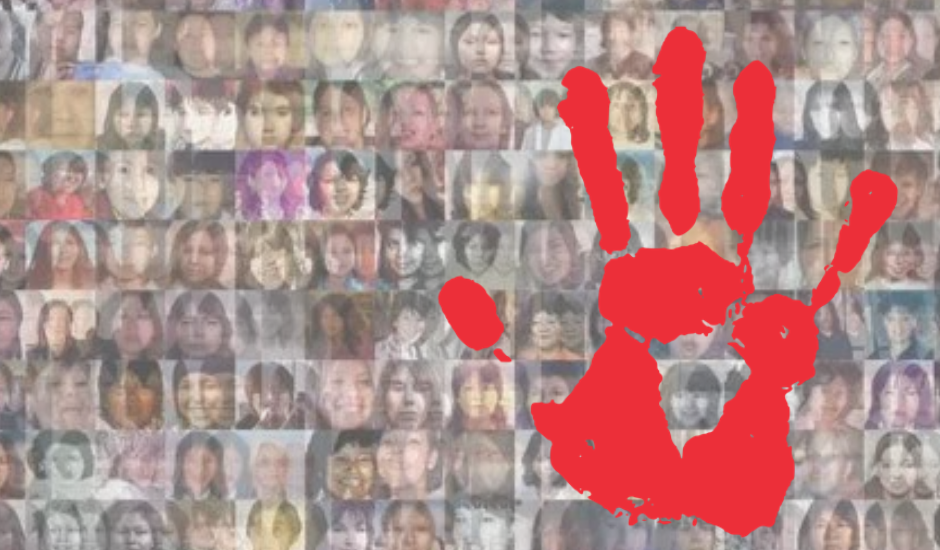
May 5 is designated as the National Day of Awareness for Missing and Murdered Indigenous Persons (MMIP)/Missing and Murdered Indigenous Women and Girls (MMIWG). The day serves as a national call to action to end violence against Indigenous communities and to support families and communities impacted by the MMIP/MMIWG crisis.

Funded by the U.S. Department of Justice in support of the Ashlynne Mike AMBER Alert in Indian County Act, the AMBER Alert Training & Technical Assistance Program’s AMBER Alert in Indian Country (AIIC) initiative is committed to helping American Indian and Alaska Native Villages (AI/AN communities) combat the crisis by providing no-cost training, technology assistance, and numerous resources.

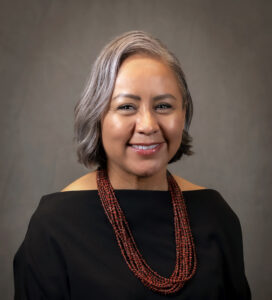
AIIC Program Manager Tyesha Wood

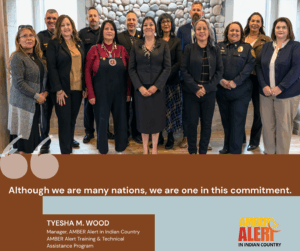
AMBER Alert in Indian Country Program Manager Tyesha Wood, and Project Coordinators Dave Chewiwie, Amy Hood-Schwindt, and Alica Murphy Wildcatt—are continually on the road meeting with federally recognized Tribes throughout the nation.

Their Indigenous heritage and law enforcement experience help them connect on multiple levels with AI/AN law enforcement and community leaders during AMBER Alert implementation meetings and child abduction tabletop exercises (CATEs). They also assist with specialized and/or customized training, partner outreach, and more.

“While our team proudly supports MMIP/MMIWG Awareness Day, our commitment extends beyond May 5,” says Program Manager Wood, a member of the Navajo Nation. “Every day we stand with the families of missing and murdered Indigenous people who are still seeking answers. We encourage everyone to listen and help people with cases that are unreported or under-investigated. Every voice matters—and every story deserves to be heard.”

AIIC Project Coordinator Alica Murphy Wildcatt

Behind every missing or murdered Indigenous relative “is a family waiting, a community grieving, and a life full of potential that deserves to be seen and protected,” says  Wildcatt, a member of the Eastern Band of Cherokee Indians.

Much like her AIIC colleagues, “I see firsthand how our systems have the potential to fall short. Delayed responses, jurisdictional barriers, and a lack of urgency can put Native lives at risk. We can’t let our relatives become statistics. The MMIP/MMIWG movement matters because it is about justice, yes, but it’s also about love, dignity, and the right to be safe in our own homeland.”

AIIC Project Coordinator Dave Chewiwie

Children are precious in Native communities, but they also are vulnerable to “those who may be looking to abduct them, to exploit them,” says Project Coordinator Dave Chewiwie, a Pueblo of Isleta member. “We have to have effective programs and plans in place to safely recover them if they go missing. We are all stakeholders in the security of our children in Indian Country.”

Project Coordinator Hood-Schwindt, a Yavapai-Apache member, believes “an ongoing lack of thorough investigations into MMIP cases, combined with the impunity of perpetrators, has fueled a vicious cycle, one we need to break. We have to provide comprehensive investigations, meaningful prosecutions, and ensure there is justice for every stolen Indigenous life.”

AIIC Project Coordinator Amy Hood-Schwindt

While significant progress has been made in the last five years, much still needs to be done, Wood says. “We must work in unity, share resources and coordinate efforts, and carry hope that we will find, or find answers for, our missing and murdered Indigenous relatives.”

Wildcatt believes that “working together, we can confront this epidemic. We can invest in community-driven solutions, and build systems that ensure safety, accountability, and justice.”

Quote icon

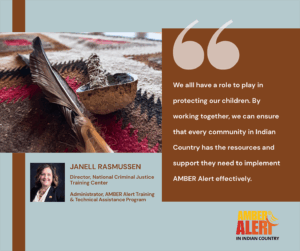
The disproportionately high rate of violence experienced by Native American families is unacceptable. Through continued collaboration with American Indian and Alaska Native Tribes, we are dedicated to alleviating this crisis in a meaningful—and lasting—way.
JANELL RASMUSSEN Director, National Criminal Justice Training Center
Administrator, AMBER Alert Training & Technical Assistance Program/AMBER Alert in Indian Country initiative

‘Not Afraid’

AIIC Associate Jen Murphy helped produce an award-winning short film that turns a lens on the MMIP/MMIW crisis.

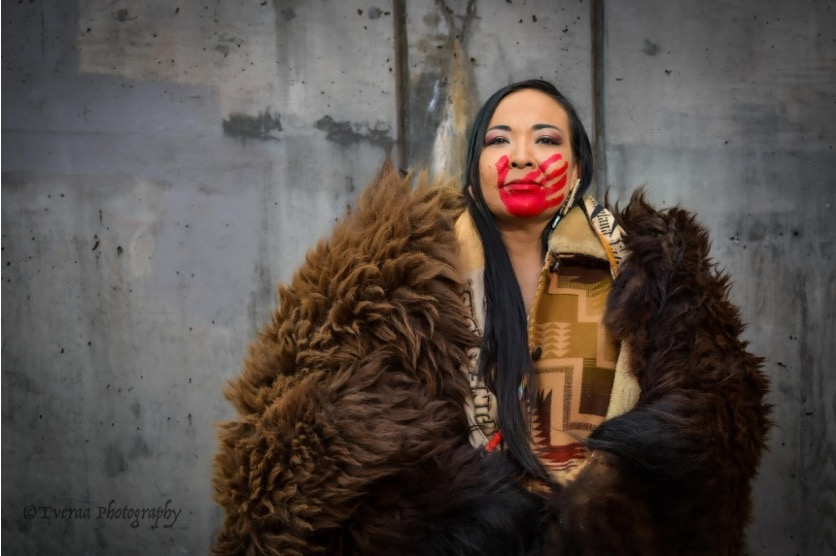
Jen Murphy is a photographer, artist, member of the Chippewa Cree Tribe in Montana, an AATTAP-AIIC Associate, and one of the more prominent faces of MMIP/MMIW awareness work. The above photograph of her with a red handprint over her mouth—symbolizing the silencing of voices—spans billboards across the Great Plains “to bring attention to issues that need to be talked about,” Murphy says.

Central among those issues is the disproportionate rate of violence, abduction, and murder experienced by women and people in the U.S. and Canada.

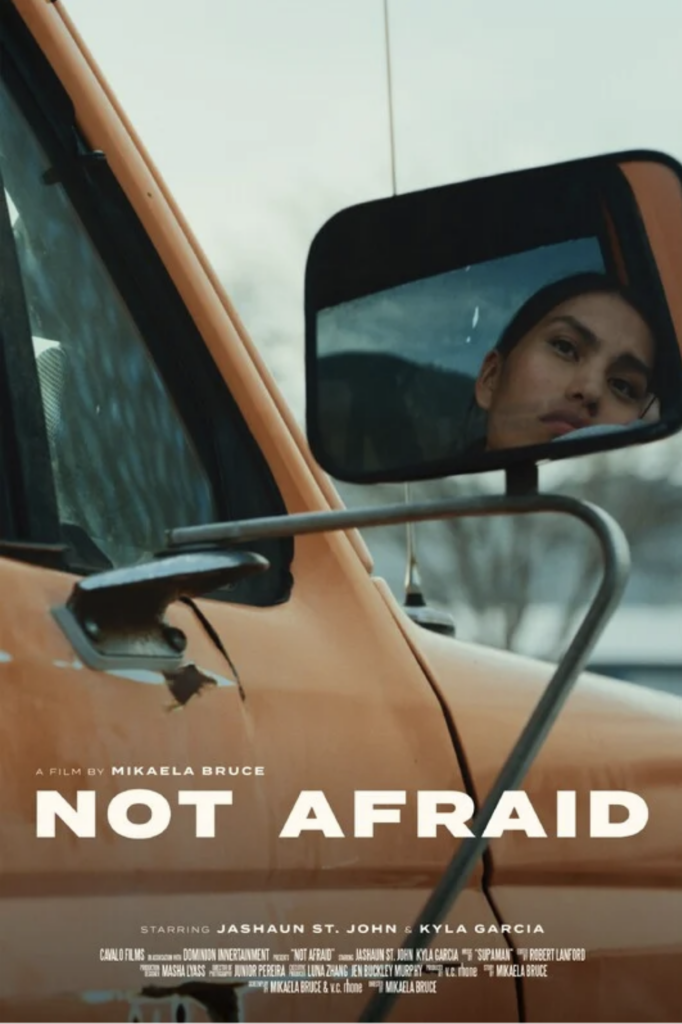
Another way Murphy aims to turn people’s attention to the MMIP/MMIW crisis is through a new short film, for which she served as executive producer: “Not Afraid,” now streaming on Omeleto.

At just under 10 minutes, the film provides an intimate and powerful portrait of a young Native American woman navigating the grief of losing a loved one to the MMIW crisis. It captures both personal heartbreak and the deep resilience within Indigenous communities, and aims to be a stirring call to remembrance, justice, and healing.

Starring JaShaun St. John (“Songs My Brothers Taught Me”), the film offers a powerful, intimate look at a growing injustice impacting Indigenous families across North America.

“Not Afraid” was awarded the Indigenous Film and Culture Award from Windrider Film Showcase that runs with the Sundance Film Festival.

The film’s director, Michaela Bruce, says of Murphy—and their storytelling mission—“I feel on the deepest level that we have a responsibility to support vulnerable women through all means available to us, including the arts.”

“When we have the ability and resources to support an important work,” Murphy adds, “it is always the right thing to do.”

“The red hand over the mouth stands for all of our missing sisters who are not heard.”
JEN MURPHY
AMBER Alert in Indian Country Associate / artist and filmmaker

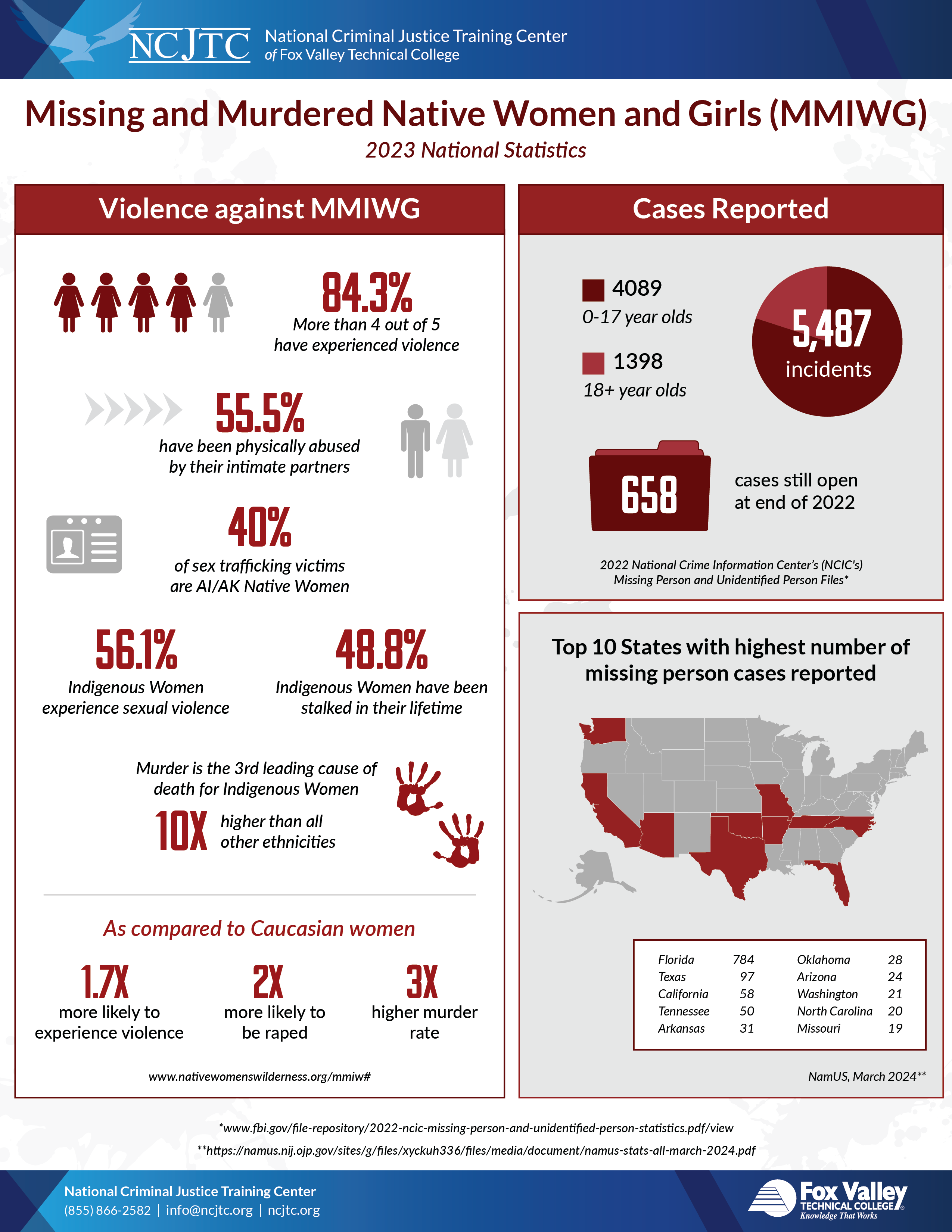
Get the Facts About MMIP / MMIWG

Indigenous people—especially women and girls—experience significantly higher rates of violence, murder, and being reported missing compared to other groups.

  • Find the latest statistics from the FBI here and view the National Criminal Justice Training center infographic (shown below right; click photo to enlarge).
  • Learn more about national MMIP/MMIWG efforts here and here.
  • Access the DOJ resource When a Loved One Goes Missing: Resources for Families of Missing American Indian and Alaska Native Adults (shown below left) here.


Moved to Act: AIIC Team Participates in Ashlynne Mike, MMIWG Events

Walking the Walk for Ashlynne Mike & MMIP/MMIWG Awareness

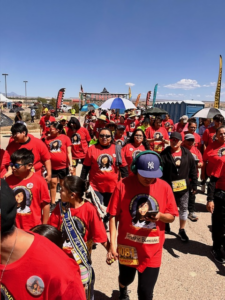
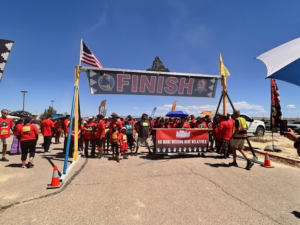
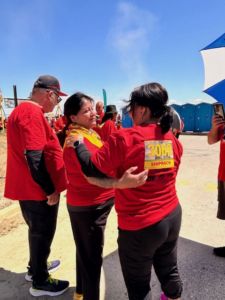
Alica Murphy Wildcatt, Project Coordinator for AATTAP’s AMBER Alert in Indian Country (AIIC) initiative, participated in the Ashlynne Mike Memorial Mile Walk & Run held in Shiprock, New Mexico, on May 2.

The event drew 111 people—the largest number of participants to date. Attendees walked and/or ran in honor of Ashlynne—namesake of the Ashlynne Mike AMBER Alert in Indian Country Act of 2018, which the AIIC initiative works to support.

The event also served to raise awareness of Missing and Murdered Indigenous Women & Girls (MMIWG) National Day of Awareness May 5.

“𝘛𝘩𝘦 𝘥𝘢𝘺 𝘸𝘢𝘴 𝘢 𝘱𝘰𝘸𝘦𝘳𝘧𝘶𝘭 𝘳𝘦𝘮𝘪𝘯𝘥𝘦𝘳 𝘰𝘧 𝘵𝘩𝘦 𝘸𝘰𝘳𝘬 𝘴𝘵𝘪𝘭𝘭 𝘯𝘦𝘦𝘥𝘦𝘥 𝘵𝘰 𝘱𝘳𝘰𝘵𝘦𝘤𝘵 𝘕𝘢𝘵𝘪𝘷𝘦 𝘤𝘩𝘪𝘭𝘥𝘳𝘦𝘯,” 𝘞𝘪𝘭𝘥𝘤𝘢𝘵𝘵 𝘴𝘢𝘺𝘴. “𝘞𝘦 𝘸𝘢𝘯𝘵 𝘵𝘰 𝘦𝘯𝘴𝘶𝘳𝘦 𝘵𝘩𝘦 𝘮𝘪𝘴𝘴𝘪𝘯𝘨 𝘢𝘳𝘦 𝘯𝘰𝘵 𝘧𝘰𝘳𝘨𝘰𝘵𝘵𝘦𝘯—𝘢𝘯𝘥 𝘵𝘩𝘦𝘪𝘳 𝘧𝘢𝘮𝘪𝘭𝘪𝘦𝘴’ 𝘷𝘰𝘪𝘤𝘦𝘴 𝘤𝘰𝘯𝘵𝘪𝘯𝘶𝘦 𝘵𝘰 𝘣𝘦 𝘩𝘦𝘢𝘳𝘥.”

AIIC Training & Resources Highlighted in Nevada

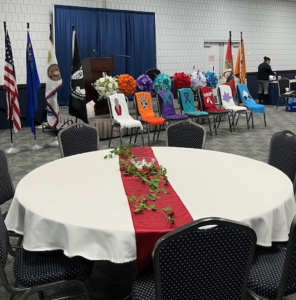
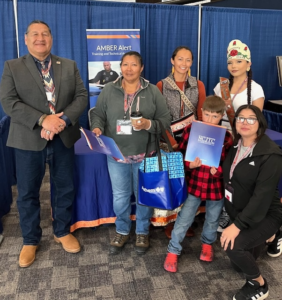
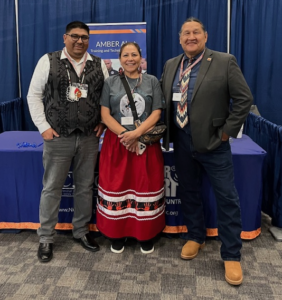
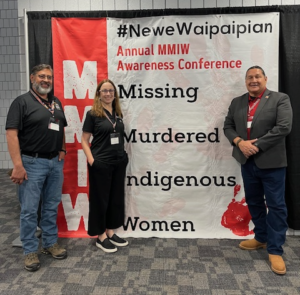
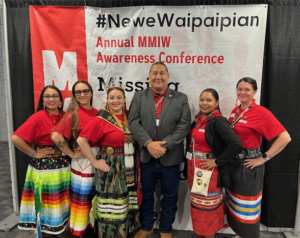
AIIC Project Coordinator David Chewiwie attended the Newe Waipaipian Missing and Murdered Indigenous Persons (MMIP) and Women (MMIW) Native Conference May 3–7 in Elko, Nevada. The conference drew numerous Indian Country Tribal leaders, Native advocates, law enforcement partners, and community members from throughout Nevada.

Chewiwie gave a presentation about the AIIC, and oversaw the information table for the National Criminal Justice Training Center/AMBER Alert Training & Technical Assistance Program/AIIC initiative, which provides a variety of free training, resources, and technological assistance to Native communities. (Learn more at here.)

“AMBER Alert in Indian country was very well received by conference organizers and attendees,” Chewiwie said. “We’ve already received an invitation to participate in next year's conference.”

Quote icon

Those of you in Tribal law enforcement, if you haven’t already received training, please schedule it as soon as possible.

Pamela Foster and her late daughter Ashlynne Mike

Pamela Foster Mother of Ashlynne Mike (2004-2016) and keynote speaker at the 2025 AMBER Alert & AMBER Alert in Indian Country Symposium


A Gifted Moment
Knowing that Pamela Foster’s daughter, Ashlynne Mike, loved butterflies, NCJTC Director/AATTAP Administrator Janell Rasmussen presented Foster with a sterling silver necklace featuring a butterfly with Ashlynne’s name intricately cut into its wings. The necklace was crafted by AATTAP/AIIC Project Coordinator Alica Murphy Wildcatt, a member of the Eastern Band of Cherokee Indians. The moment brought Foster to tears. “I will treasure this,” she said. “Thank you for always remembering Ashlynne.”

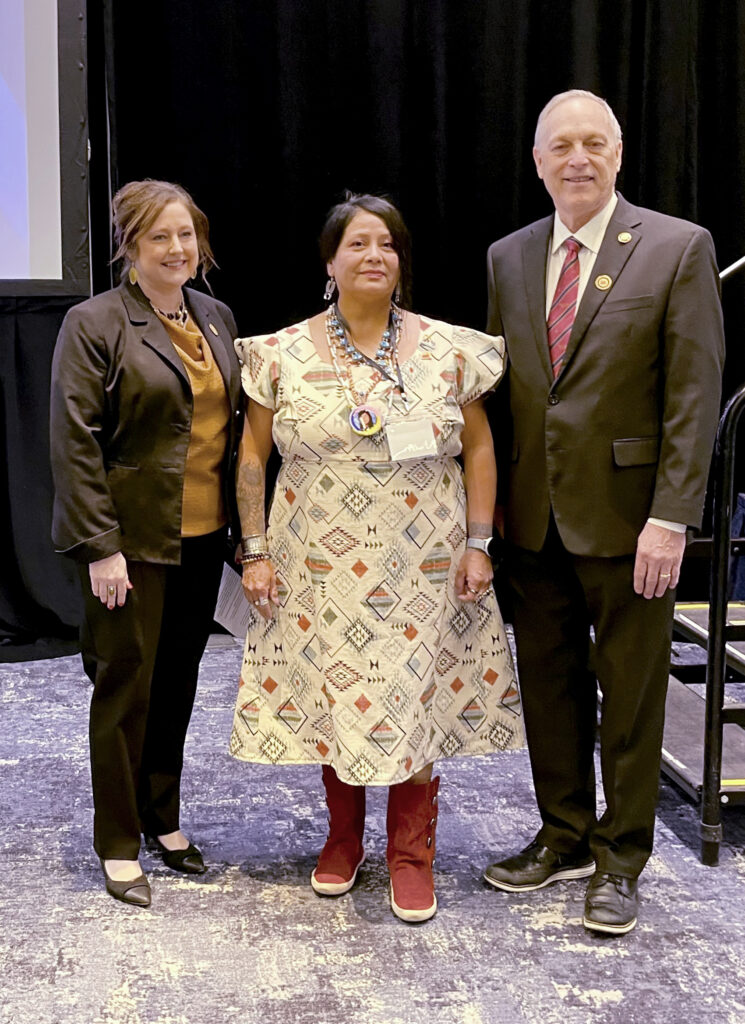
Ashlynne Mike’s mother, Pamela Foster, center, is shown with U.S. Representative Andy Biggs and Janell Rasmussen, NCJTC Director/AATTAP Administrator. “Pamela is a tremendous voice—a tremendous advocate for children,” Biggs said.

By Denise Gee Peacock

Throughout the 2025 National AMBER Alert & AMBER Alert in Indian Country Symposium, Indian Country discussions primarily centered on the need for training, technology, and collaboration

One workshop led by the Phoenix-area Gila River Police Department (GRPD) focused on a child abduction case in 2024, which occurred shortly after the GRPD had its first AMBER Alert in Indian Country implementation meeting and child abduction tabletop exercise (CATE).

Thanks to the scenario-based primer, following the missing child report, the GRPD was immediately able to activate resources, connect with partnering law enforcement agencies, and coordinate the successful response.

Pamela Foster served as keynote speaker. Her daughter, Ashlynne Mike, was abducted and murdered on the Navajo Nation reservation in 2016. In introducing Foster to attendees, Congressman Biggs said, “Not long after arriving in D.C., I met with her and learned of her tragedy. We decided to work together and try to turn her loss into something positive, something that addressed the specific needs of Tribal communities.”

Working with Foster, and U.S. Senator John McCain of Arizona, Biggs helped champion passage of the Ashlynne Mike AMBER Alert in Indian Country Act of 2018, which provides training and tools for Tribes to best respond if a child goes missing. Find an excerpt of Fosters message to attendees here.

Pamela Foster’s powerful presentation is excerpted here.

You are all advocates, protectors, and innovators. And we are here to work on behalf of two beautiful little girls who tragically lost their lives: my daughter, 11-year-old Ashlynne Mike, and 9-year-old Amber Hagerman, namesake of the AMBER Alert program.

In the wake of my daughter’s abduction and murder in 2016, I found out that our Navajo Nation, and other Tribes across the country, did not have the most recognized public safety tool, the AMBER Alert—the cornerstone of communication to protect our children. Thus, the resources needed to quickly search for Ashlynne were unavailable. That was tragic.

Statistics show that Indian country experiences a disproportionately high rate of violent crime. That should cause an overwhelming amount of concern.

We are accountable to our communities to find solutions to improve public safety. This is why I lobbied for passage of Ashlynne’s Law [the Ashlynne Mike AMBER Alert in Indian Country Act], which helps provide training and tools for Tribes to quickly respond should a child go missing.

We need law enforcement on Tribal land to share information with outside agencies so they can quickly apprehend criminals. Every child has the right to feel safe and live life to its fullest, and my fight is based on what I have experienced as a mother and a parent. I don’t ever want what happened to me to happen to another person.

Indian Country needs AMBER Alert.

Dr. Noelle Hunter talks about her daughter during the 2025 National AMBER Alert & AMBER Alert in Indian Country Symposium
Dr. Noelle Hunter discusses her daughter's abduction to Mali, West Africa, during the 2025 National AMBER Alert & AMBER Alert in Indian Country Symposium.

By Denise Gee Peacock

On New Year’s Day 2011, Dr. Noelle Hunter was approaching hour three of waiting in a Morehead, Kentucky, McDonald’s—the agreed-upon meeting place for her ex-husband to return their 4-year-old daughter, Maayimuna (“Muna”)—when she knew something was terribly wrong.

Dr. Noelle Hunter and her daughter "Muna"
Dr. Noelle Hunter with her daughter, Maayimuna (“Muna”)

Little did she know Muna’s father had taken her 5,000 miles away to live with his family in their native country of Mali, West Africa, despite Dr. Hunter, having been granted sole custody of her.

While it took more than three years for Hunter to get Muna home, during that time the university professor would learn so much: Chiefly, just how much understanding law enforcement needs to know about the complexities of international parental child abduction (IPCA)—the proactive efforts needed to avoid it, and quick actions necessary to stop it in its tracks.

Hunter’s journey of IPCA understanding began with her local police department. “They told me my problem was a civil matter, a domestic dispute; that I needed to get a court order before they could do anything,” she shared with symposium-goers. “One good thing they told me was to contact the National Center for Missing & Exploited Children (NCMEC). And that’s when I learned that federal law mandates that any child under age 18 must be entered into the National Crime Information Center (NCIC) database within two hours of being reported missing.”

NCMEC reached out to Morehead authorities to inform them of their obligation to enter Muna into NCIC. They also advised Hunter to directly contact the FBI for assistance. After learning that Muna had indeed been taken to Mali, she was connected with the U.S. State Department.

Quote icon

Hear Dr. Hunter share more of her story/insights on the Family Survival Guide website. Also see her daughter, Rysa Lee (shown below)—a contributor to the newly updated sibling survival guide, What About Me?—discuss her family’s IPCA experience.

Quote image
Rysa Lee

Hunter learned her ex-husband had accomplished the abduction by obtaining a passport for Muna in Mali, where she had dual citizenship because of her father (“which I had never taken into account; I thought as long as I had her passport she would have to stay in the U.S.”) She also learned about the Hague Convention on the Civil Aspects of International Child Abduction (aka the Hague Abduction Convention), a treaty in which its signatories commit to returning abducted children to their rightful guardian. But while the U.S. is a signatory, Mali is not. They had no obligation to return Muna to her. And meanwhile, the country was in the throes of a government coup.

Desperate yet determined, Hunter immersed herself into a relentless “Missing 4 Muna” campaign to get her daughter home. She read everything she could about IPCA; talked with legal experts, many of whom offered to help her pro bono; navigated the cultural nuances of working with Mali officials; staged protests in front of Mali’s embassy in Washington, D.C.; pleaded with United Nations members; helped create a nonprofit organization to assist other IPCA families; and worked with a congressional delegation from Kentucky to pressure the Mali government to safely return Muna in 2014. By then she was almost 7.

Hunter now works as an assistant professor of political science and philosophy at University of Alabama in Huntsville, which houses the program she founded: the International Child Abduction Prevention and Research Office (ICAPRO). From there, she and her daughters—Muna and her sister, Rysa Lee, advocate for IPCA awareness and support.

“Most of the parents still seeking their children are committed to doing whatever it takes to bring them home. But as I learned, we can’t do it alone,” Hunter said. “That’s why I’m glad this symposium exists, and that all of you undertake full-court-presses of your own to help find missing children and get them home where they belong. Remember, all abductions are local.”

Sweet Memory: A Maryland State Trooper’s Compassion

Photo of a little girl eating ice creamAt first glance, a photo of Dr. Noelle Hunter’s daughter, “Muna,” savoring an ice cream cone might be one of many impromptu images of joy a mother cherishes. But as symposium-goers learned, the photo holds special significance–both for Dr. Hunter and law enforcement. Here’s the story Dr. Hunter shared about it:
During my mission to get Muna home from West Africa, I was constantly traveling from Kentucky, where I lived at the time, to Washington, D.C., knocking on every door I could. It was exhausting work. On one drive home, I was particularly distraught, and wasn’t really paying attention to my speed. So because I was speeding, I was pulled over by a Maryland State Trooper. He took one look at me, and said, “What’s wrong?” So I told him. Everything. He then started trying to help, asking if I’d talked with the U.S. State Department, if I’d done this or done that. I told him yes—I was doing everything I could.

At that point he said he wouldn’t write me a ticket, but added, “Promise me two things. That you’ll slow down and and get home safely. And that when your daughter returns home, make sure her first ice cream is courtesy of a trooper in Maryland.”

So that's what you see in this photo: that trooper’s gift to her—and me.

I think that’s significant at a conference like this. Please consider that local law enforcement support is crucial for a parent experiencing IPCA. A little grace never hurts either.


CART on Camera: Burlington County, New Jersey

By Denise Gee Peacock

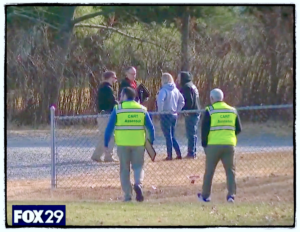
AATTAP Child Abduction Response Team (CART) Assessors James Holmes, Stacie Lick, Vonyale Montgomery, and Lead Assessor/CART Manager Derek VanLuchene (in neon vests) can be seen working with multiple law enforcement agencies from Burlington County, New Jersey, during a large-scale training exercise to strengthen responses to missing and endangered children incidents.

Nearly 100 members of law enforcement joined in the exercise “to enhance their knowledge of how to handle cases involving our most vulnerable populations,” said Burlington County Prosecutor LaChia Bradshaw.

“The training was designed to be a worst-case scenario involving a missing boy who suffers from epilepsy,” reported Fox 29. “Following protocol, the investigation gradually ramps up to a full-scale activation of CART,” one involving about 30 actors.

Burlington County is expected to be the fifth team in New Jersey to receive CART certification from the U.S. Department of Justice with AATTAP/NCJTC's help.

“This is definitely an excellent educational experience for all our personnel,” noted Medford Township Police Chief Arthur Waterman.

“Thank you to Fox 29 for reporting on the excellent work being done by Burlington County to bring together partners to prepare to respond to missing and abducted children,” said AATTAP Administrator Janell Rasmussen.

>> Watch the story here! https://www.fox29.com/video/1550356