

Janell Rasmussen, Minnesota's AMBER Alert Coordinator, had plans to make millions in real estate. But somehow her career goals got sidetracked and she ended up saving lots of kids because of the path she did take.
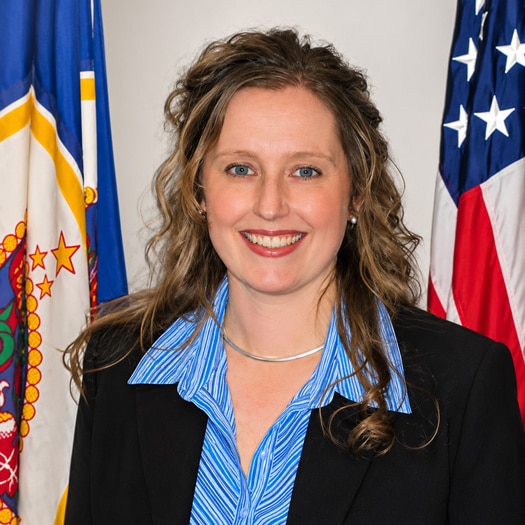
In July 2001, Rasmussen assisted in creating a seven-state AMBER Alert plan. It was a natural fit because the Minnesota Crime Alert Network was already notifying the public about crimes, she said.
“We wanted a statewide plan from the get-go,” said Rasmussen. “It's been amazing how people came together.”
As soon as she started the AMBER Alert in Minnesota, people started volunteering to help make the plan better. Lottery officials offered to put the alerts on lottery machines, billboard companies volunteered to put the alerts on their signs and the Minnesota Trucking Association said they could get the word out through their dispatchers.
“We got so many calls from people wanting to get information out,” said Rasmussen. Despite the original rush to help, she still looks for new partners. “We have been training 11 Tribes and now all of the Tribes are working with us to send out AMBER Alerts,” she said. “One Tribe just approved putting AMBER Alerts on casino signs.”
One of the most notable aspects of the Minnesota AMBER Alert Plan is that from the very beginning it included alerts for cases that did not meet the AMBER Alert criteria. Has anyone been confused by the second level alert? “It's completely the opposite,” said Rasmussen. “The media loves it and runs stories on everything we have sent them. It absolutely works here.”
“The two-tier system has been very effective and has helped us have a low number of AMBER Alerts. We have had more than 150 requests for AMBER Alerts. It has done a good job of keeping it with the criteria.”
Minnesota has had 18 AMBER Alerts so far but Rasmussen said the abduction of 11-year-old Cindy Bruno stands out. Police in Minnesota asked Utah to issue an alert because they had evidence the girl and the suspect were going there. A Utah trooper saw the alert, started calculating how long it would take to get from Minnesota to Utah and then looked up and saw the suspect's van.
“That was the first time I was aware of where two states worked together and had a success,” said Rasmussen. “It was a great use of the AMBER Alert system.”
Rasmussen recently had the opportunity to train a team from India on setting up an AMBER Alert Plan. She said they faced similar issues, but the interpreters had to keep reminding her to slow down. “When you talk about something you are passionate about it's hard to slow down.”
Even though she looks young, Rasmussen is one of the few veteran AMBER Alert Coordinators. She offered advice for new coordinators. “Know what is going on in your state,” she said. “No matter what every other state is doing, your system will be unique. Utilize good information from other states but you still have to decide what works best in your state.”
After the 2007 AMBER Alert Conference, Rasmussen said she walked away with “a list of things to do.”
From her early dreams of making it rich in real estate, Rasmussen said the AMBER Alert is more personal to her now that she has a 4-year-old daughter and a 3-year-old son. “When you have children, you worry about each child and worry about the dangers, and you know you have to do a better job. You know you have to do more every day to protect them as best you can.”