

 The pilot program to bring AMBER Alerts into Indian Country has taken wings. The AMBER Alert in Indian Country initiative began with ten Tribal sites but now other Tribes are getting training in order to create their own child abduction alert plans.
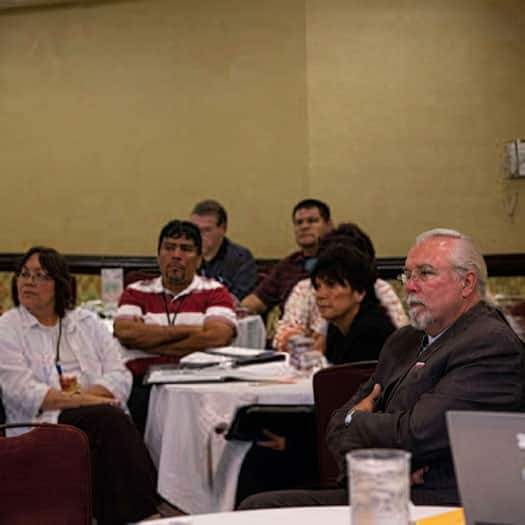
For the first time the 2009 National AMBER Alert Symposium provided training sessions for Tribal representatives who are not part of the pilot program.
“It is quite remarkable that the Tribes are so far ahead of so many states considering they had to start their programs from scratch,” noted AMBER Alert in Indian Country Liaison Jim Walters.
The goal for the pilot sites is to have a working AMBER Alert program by July 2010. Some of the tribes reported that they were running into roadblocks with their plans because of political interference or lack of support from Tribal leaders. Walters said educating the public about AMBER Alerts will help. “If the people speak loudly enough that they want a program, the political desire will follow.”
Tribal leaders are also taking an active role in the Southern Border Initiative because many of the Tribal lands are on the U.S.-Mexico border. More training will be held to create lines of communication between Tribal and Mexican law enforcement officials.
The Native American representatives also tackled the issue of runaway and “thrownaway” children. Approximately 40,000 runaways and thrownaways, mostly girls, come from Indian communities each year.
Native American children typically leave their homes for urban areas and are not accustomed to the cultural differences. Jurisdiction issues also present challenges in trying to protect children.
Some of the Indian communities have developed multidisciplinary teams to prevent and intervene in child abductions and to recover children. The teams include representatives from law enforcement, social services, schools, judges, and Tribal elders. Many of the children have been helped because of the Indian culture's strong belief in family relationships and extended families.