

By Denise Gee Peacock
On Discord, two South Florida girls, ages 15 and 12, found an unmonitored world of gaming servers, homework-help channels, and late-night conversations with strangers who quickly felt familiar. It was anonymous. It was fun. And from inside their home, it was contained to a screen.
 What the sisters couldn't see, at least not at first, was that the same anonymity fueling their sense of independence also made the platform an ideal hunting ground for adults seeking to groom and exploit minors.
It started with a DoorDash delivery of free Chipotle, which the girls explained to family members as simply a fortuitous mistake.
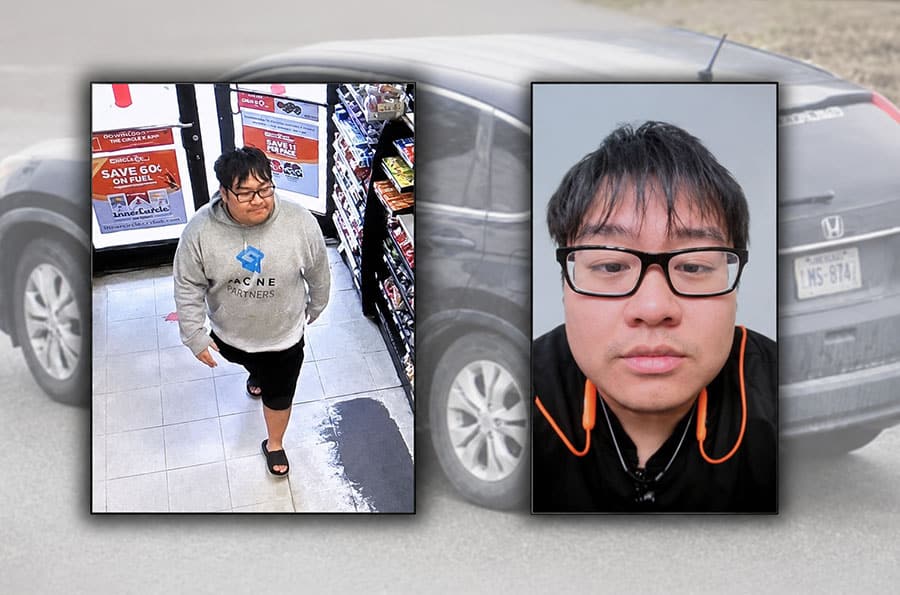
Then, in January of this year, a man arrived. By that point, investigators with the Martin County, Florida, Sheriff's Office (MCSO) say the sisters had been communicating for months with 19-year-old Hser Mu Lah Say of Omaha, Nebraska. What began on Discord migrated, as these interactions often do, to Snapchat and Instagram — platforms offering more privacy, fewer safeguards, and disappearing messages.
Authorities say Lah Say reinforced the relationship with small gestures, including sending food deliveries through DoorDash — acts that blurred the line between online acquaintance and real-world presence.
MCSO Sheriff John Budensiek describes a pattern consistent with grooming: building trust over time, establishing emotional connection, and gradually normalizing secrecy. Then, investigators say, Lah Say acted — driving nearly 1,500 miles, about 23 hours straight, to meet the girls at a pre-arranged location in Indiantown, Florida, on Jan. 31.
Detective Jennifer Escobar of the MCSO Special Victims Unit moved quickly. Working alongside the girls' family, she conducted a forensic review of an iPad the sisters had left behind after telling relatives they were going for a walk to a nearby park, where Lah Say was reportedly waiting.

We had reason to believe he was monitoring digital channels. The last thing we wanted was for him to panic or shut off his phone when we were closing in on him.

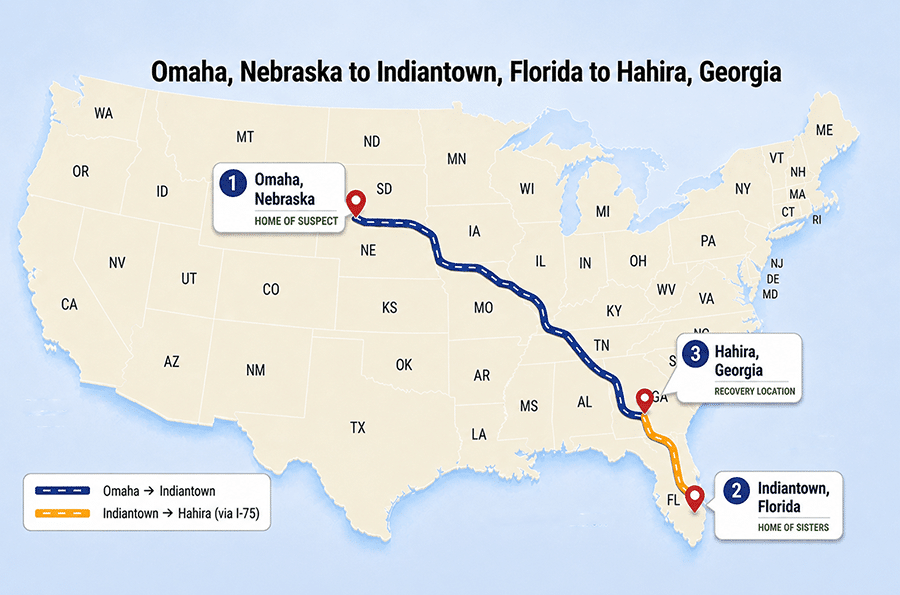
By midnight Lah Say and the girls were near the Florida-Georgia border, traveling northeast of Tallahassee. The Lowndes County, Georgia, Sheriff's Office and Georgia State Patrol and Hahira, Georgia, Police Department joined the search.
At about 1 a.m. Feb. 1, a Hahira officer spotted the SUV and conducted a traffic stop. The girls were found safe, and Lah Say was taken into custody. He faces two counts of kidnapping and two counts of interfering with child custody.
"We were all ecstatic, and so relieved," Escobar says.
Hahira Police Chief Stryde Jones credits coordination among agencies. "This is a perfect example of how we as a team can work well with each other by sharing information so quickly. It made all the difference."
At the start of the investigation, authorities did not know how the communication had unfolded. That became clear only after the girls returned home.
Investigators learned from the sisters that they had initially connected with Lah Say on Discord before he moved them to Snapchat and Instagram — a tactic consistent with grooming patterns: initial contact on one platform, migration to private apps, and eventually, an in-person meeting.
"It's a common 'app-surfing' scenario used to cover tracks," says Escobar, who praised the family's quick action in providing access to the girls' digital devices. Escobar also notes that the girls' willingness to leave with Lah Say does not diminish the seriousness of the crime. "Yes, they ran away from home with him, but they're just children. Their brains are not fully developed. 'Left willingly' often means they were groomed and coerced."
Budensiek believes the multistate teams collectively thwarted a far-worse outcome. "The suspect repeatedly warned the girls that he could get into a lot of trouble for what he was about to do. He knew he was violating the law. If we didn't find those girls in a timely manner, they could have ended up in Omaha, Nebraska, as missing."
Three Red Flags
Grooming often follows recognizable patterns. Martin County, Florida, Sheriff's Office Detective Jennifer Escobar identifies three warning signs caregivers should consider when children have access to social media.
- Seclusion. Is a child spending unusual amounts of time alone communicating secretly?
- Unexplained gifts. Unexpected deliveries or gifts may signal outside contact.
- Heavy app use. Watch for increased use of apps that are designed for privacy or disappearing communication.