

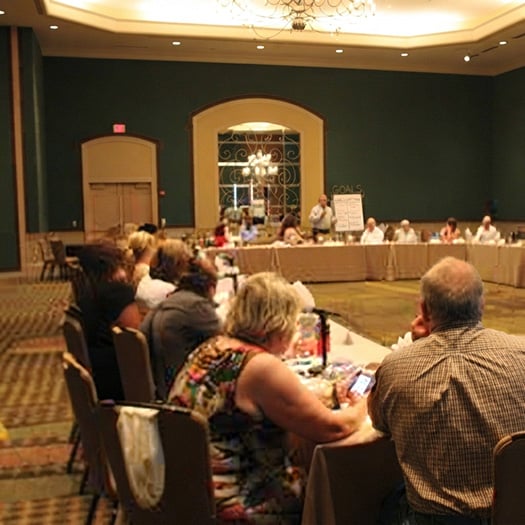
Some parents found their son or daughter safe. Some learned their child was murdered. But some still do not know what happened to their little boy or girl. The 50 people gathered May 6-7, 2013, in Jacksonville, Florida, for the Family Roundtable include parents, siblings, and survivors of child abductions.
The Office of Juvenile Justice and Delinquency Prevention has brought the Family Roundtable together eight times as part of the National AMBER Alert Training & Technical Assistance Program. Each time family members and survivors of child abductions provide insight on what law enforcement officers, media representatives, prosecutors and other AMBER Alert partners can do better when a child is taken.
Cameron Moulton was only 2 years old when his 10-year-old brother Christopher was kidnapped and brutally stabbed to death in 1995. Cameron said it took him years before he could finally talk about his feelings about losing his brother.
“I grew up afterwards with this weight on my shoulders,” he said. “The feeling you have on a day-to-day basis and not being able to talk about having a brother or sister…or withdrawing from people so you do not have to tell them.”
Jessica Clifton's 8-year-old sister Madelyn Rae was murdered by a 14-year-old neighbor in 2006. She said it was very difficult to be isolated from her parents during such a traumatic time. “A detective called me at 2 a.m. and told me I could not go back to my parent's home,” she said. “I understand it now, but I did not understand it then. I just wanted to help, and I felt helpless during the entire investigation.”
Many of the siblings of child abduction victims said they felt forgotten. They said they want to be “true survivors” and not just victims. Participants helped make a list of things a family should know when a child is abducted, including: you are not alone, you are not crazy, you are not at fault, you will be a suspect, you do not have to know what to do, and you need to take care of your basic needs of sleep, eating and drinking.
During a breakout session with siblings and survivors, participants offered some advice to family members and those who come into contact with families during a child abduction: law enforcement should tell the family first about new leads and keep the press out of the recovery site; siblings should be assertive, keep their identity and not be afraid to get counseling; parents should give their children age appropriate tasks to help in the case; the media should have clear boundaries; and social media is a place where rumors and hurtful comments can spread and not be retracted.
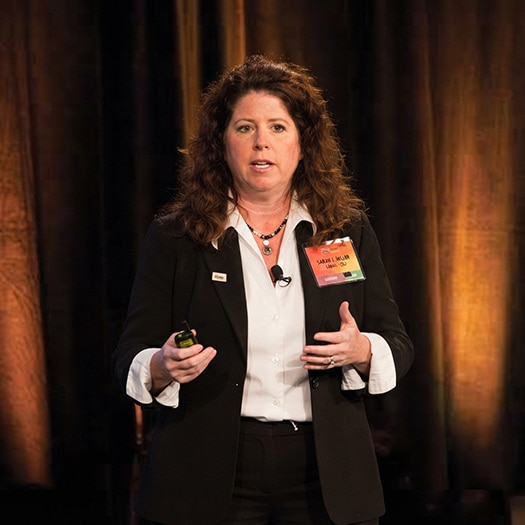
Clinical psychologist Dr. Veronique Valliere shared with the group some of her findings from working with violent and non-violent sex offenders for more than 20 years. She said pedophilia is not curable, only containable. She added that 90% of the pedophile population will sexually assault anyone while the remaining 10% only assault children.
Dr. Valliere said strict housing ordinances for sex offenders actually causes sexual assault rates to increase. However, she said sex offenders should be closely watched because they prey on fear, ignorance and not being held accountable.
The 2-day roundtable also included a case study on lessons learned from the Jaycee Dugard case. Dugard was kidnapped in 1991 and held hostage by a convicted sex offender for more than 18 years. Participants also heard a presentation on how technology is used to exploit children and ways parents can prevent exploitation.
Some of the parents had children who were abducted and taken to another country. They said it was difficult to get law enforcement in other countries to respond because it was often considered a custody dispute and it was very difficult to communicate. They also said the media and the public showed very little interest in their plight.
“It is clear that many of the issues facing families involved in domestic U.S. abductions were different than those encountered on the international side,” concluded Phil Keith, Program Director for the AMBER Alert Training and Technical Assistance Program. “It seemed that law enforcement was poorly informed on what could be done for the victim's family. Because of the danger of serious bodily injury or death, the police in the U.S. are more focused and consequently so is the media.”