


Florida issued its first Spectrum Alert on July 1, during the search for a 17-year-old from DeLand. The statewide alert system is designed to rapidly notify the public about missing children with autism spectrum disorder. While the alert successfully tested the new broadcast infrastructure, it was not responsible for providing the leads that located the teen. Instead, investigators found the youth safely at his biological mother’s house. The incident was connected to an active child custody dispute, and authorities stated the mother is facing pending charges for interfering with child custody.
The inaugural activation of the Florida Spectrum Alert successfully demonstrated the mechanical infrastructure needed to quickly notify a statewide audience and provided an opportunity to educate the public on the new alert. Established to address the specific vulnerabilities of missing children with autism, the system aims to mobilize communities rapidly. While the broadcast in this specific event did not generate the investigative lead that resolved the case, it proved that the system can function as intended when requested by local agencies.
Understanding the context of a disappearance is critical in missing child investigations. In this case, the underlying issue was a custody dispute rather than a random abduction or a wandering incident. Even so, parental abductions and custody interferences can carry significant risks. When a child has a developmental condition like autism, any disruption in their routine or environment can elevate the danger level, justifying a heightened emergency response.
The Holly Hill Police Department effectively utilized traditional investigative techniques alongside the new alert protocol. Following standard procedures to check with known family members led investigators directly to the biological mother's home.
Key Findings
-
Florida issued its first-ever Spectrum Alert on July 1, for a missing 17-year-old with autism.
-
The alert tested the new broadcast system and provided an opportunity for public awareness, but it did not generate the leads that located the child.
-
The teen was found safe at his biological mother's home following standard investigative work.
-
The incident stemmed from a custody dispute, and the mother is facing pending charges for interference with child custody.


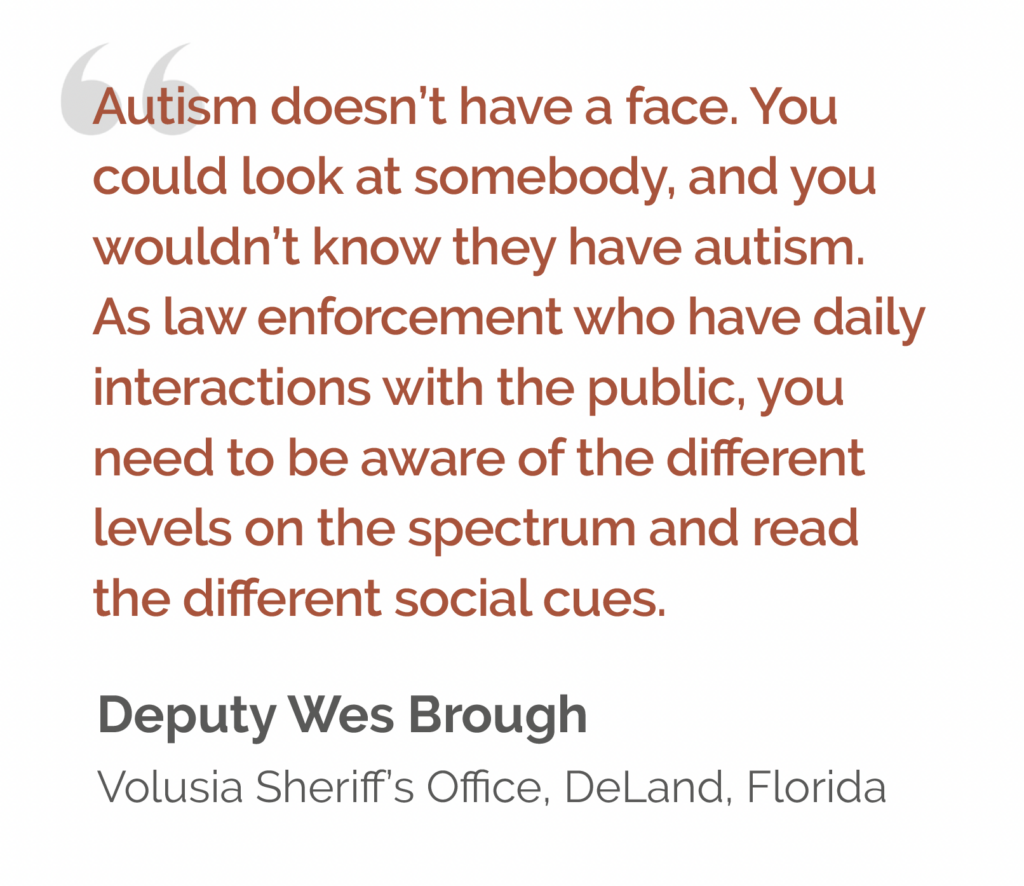 Brough was first on the scene, followed shortly by another officer who helped search the family’s house to confirm the boy wasn’t there. Dispatched officers soon arrived and the search area expanded.
