
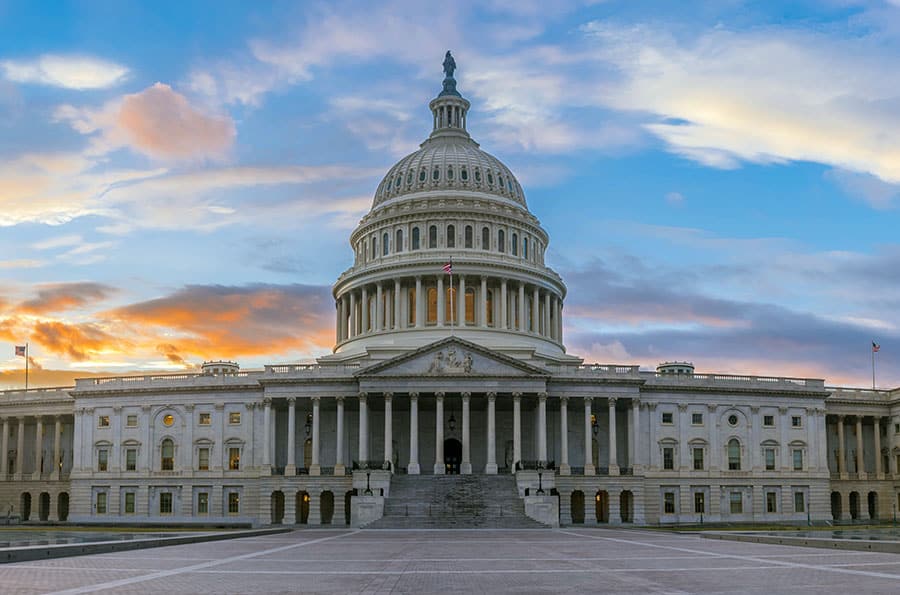
US Capitol building

The Tribal Warrant Fairness Act (H.R. 7490) marks a critical shift in missing child recovery. Historically, jurisdictional gaps prevented the U.S. Marshals Service (USMS) from executing Tribal warrants, often stalling investigations. This bill grants the USMS authority to assist Tribes directly, mirroring their support for state agencies where 61% of children are recovered within seven days. By integrating Tribal law enforcement into the Fugitive Apprehension Task Force, the act ensures rapid, multi-agency response. This coordination is vital for cases like Emily Pike's, where delays across reservation lines can be fatal. The legislation was referred to the House Committee on the Judiciary Action on February 11.
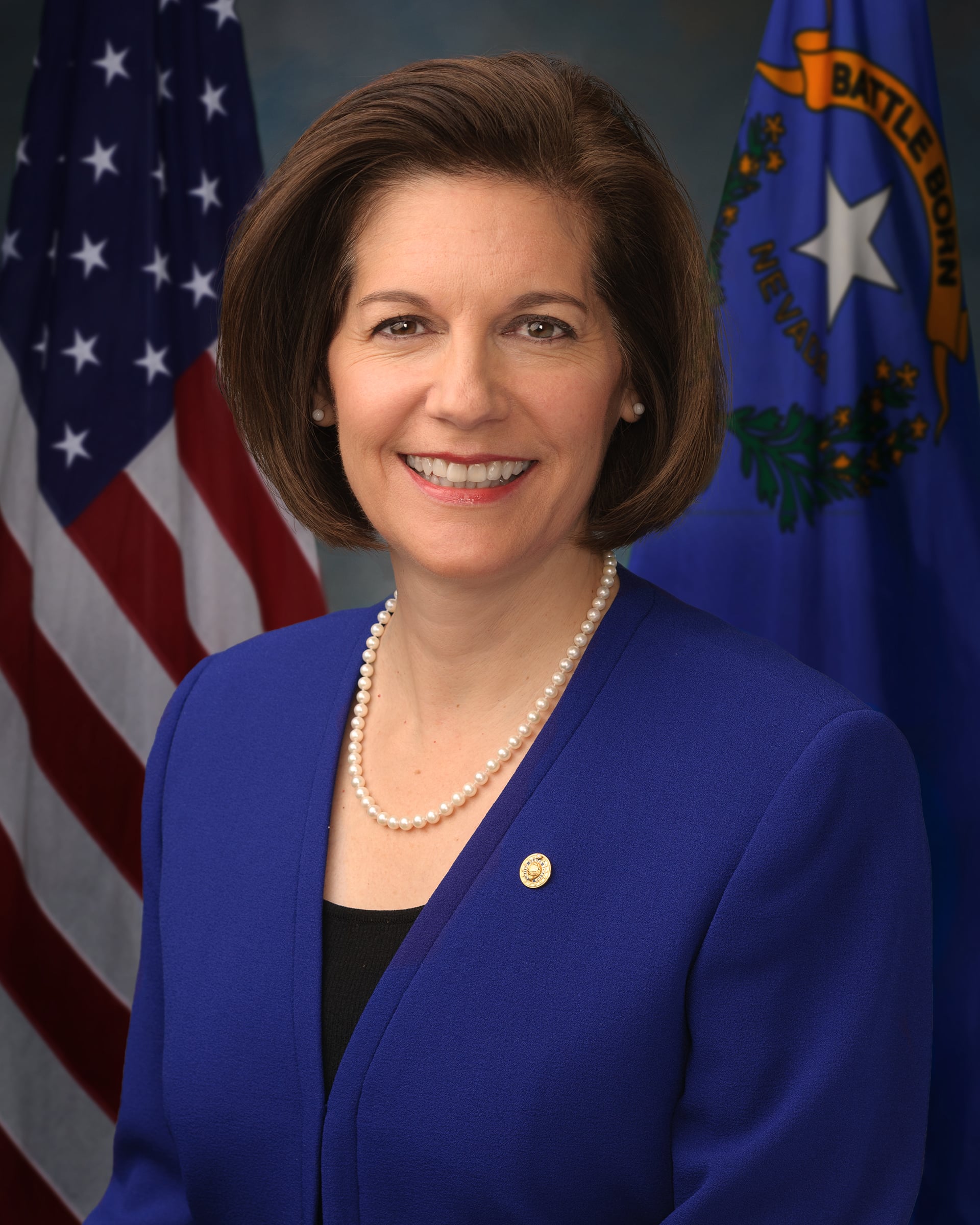
Photo of Nevada Senator Catharine Cortez Masto

New bipartisan legislation aims to bolster the search for missing children in Indian Country. Introduced in October 2025 by Senators Catherine Cortez Masto (D-NV) and Markwayne Mullin (R-OK), the Tribal Warrant Fairness Act would authorize the U.S. Marshals Service to assist Tribal law enforcement in locating missing children and executing warrants. Currently, the Marshals Service lacks statutory authority to support Tribal agencies, creating jurisdictional gaps. Addressing over 4,000 unsolved cases and 2023 federal recommendations, the bill seeks to close these gaps. “Tribal communities need more tools to combat violent crime,” said Senator Cortez Masto. The legislation grants Tribal agencies crucial access to federal investigative capabilities to accelerate recoveries and improve safety.