
By Denise Gee Peacock
Alaska is a land of staggering scale and beauty, but its rugged terrain is as dangerous as it is scenic. For Lieutenant Benjamin Endres of the Alaska State Troopers (AST), the “Last Frontier” isn’t just a backdrop—it’s a massive, 665,000-square-mile jurisdiction where the environment itself is often the greatest threat to life.
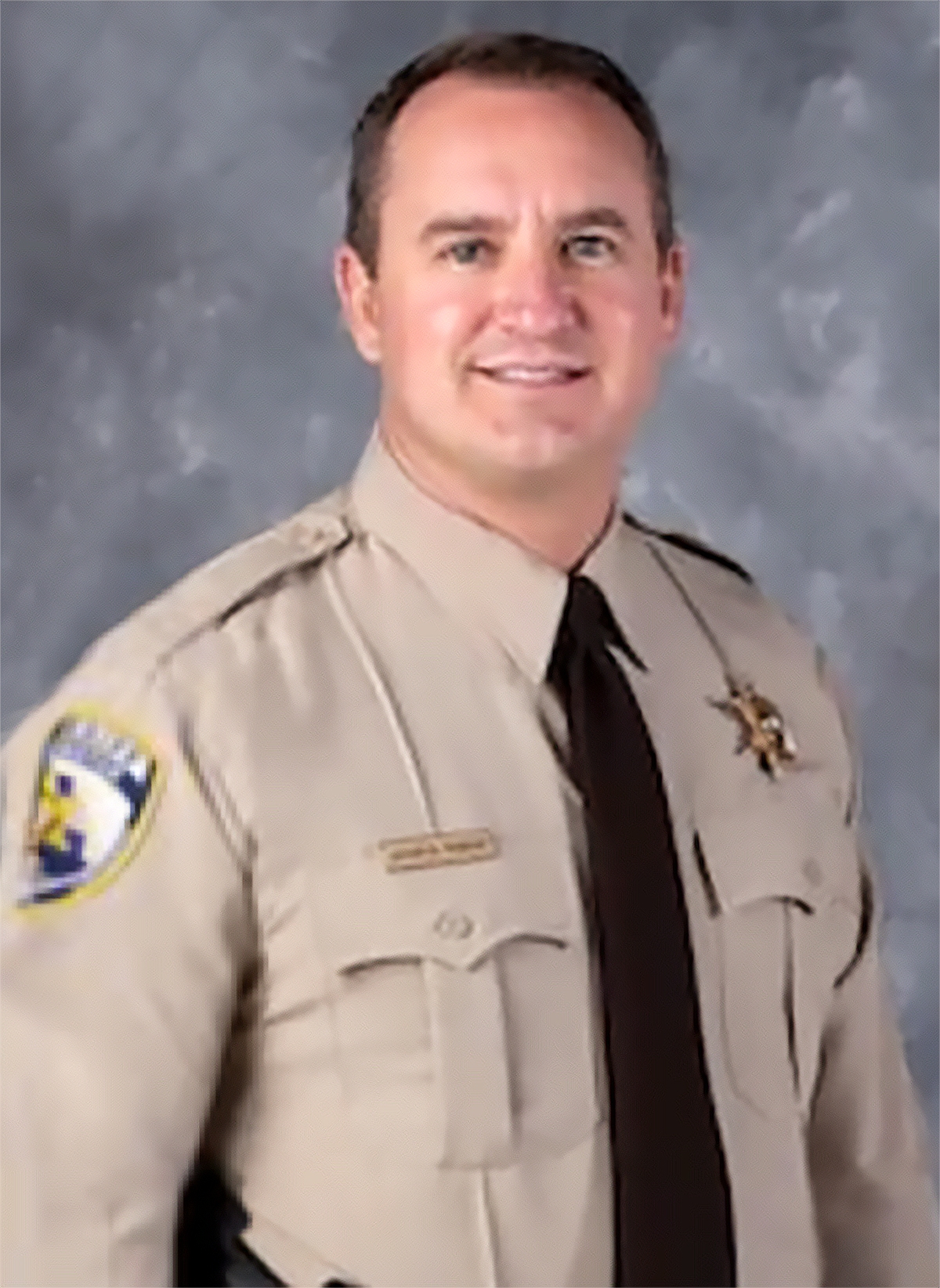
Based in Anchorage as the Statewide Search and Rescue Coordinator for the AST, Endres oversees a complex web of logistics in a state that lacks traditional counties or sheriff’s offices. From coordinating canine teams for missing persons in remote Yup’ik villages to managing the state’s AMBER Alert system, his work is a race against both time and the rapidly shifting Alaskan weather.
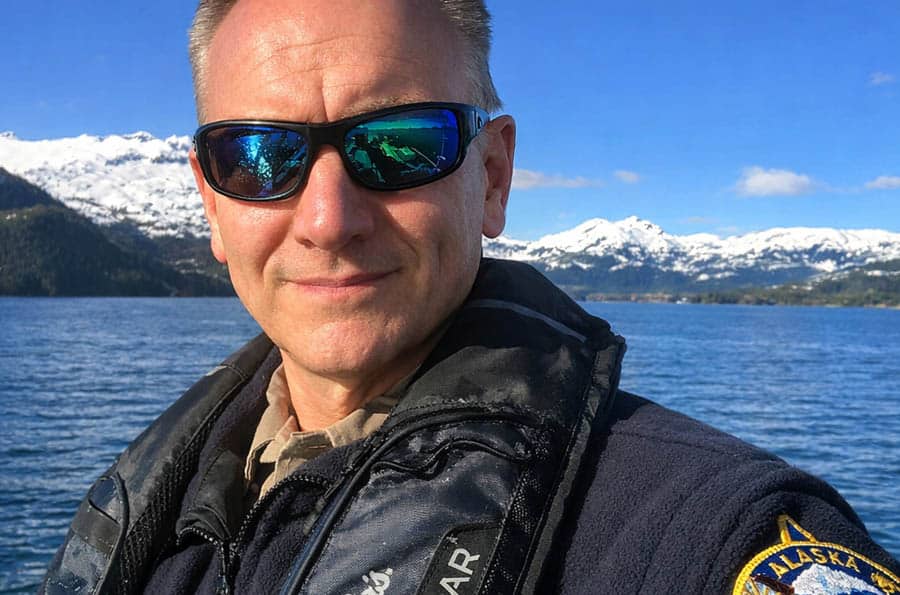
Originally a law enforcement veteran from Northern Indiana, Endres moved to Alaska in 2008, seeking the ultimate professional challenge. Today, he sits at the center of a vital support network, balancing the roles of emergency management liaison and communications coordinator to keep Alaskans safe in one of the world’s most unforgiving climates. (“The environment in Alaska kills a lot of people,” he says.)
You spent 20 years in law enforcement in Indiana. What drew you to the Alaska State Troopers?
I was born and raised in northern Indiana and did about 20 years in law enforcement there before coming up to Alaska at the end of 2008. My uncle was a Michigan State Trooper and my childhood hero; he gave me my initial interest in rural law enforcement. When I was reaching the end of my time in Indiana, I started thinking about where the biggest, most challenging, most rural place would be to finish my career. Alaska was the answer.
How does the structure of law enforcement in Alaska differ from the “Lower 48”?
It is very different because Alaska does not have counties, sheriff’s offices, or deputies. We have boroughs, but many areas are “unorganized,” meaning there is no local borough government at all. Troopers provide complete law enforcement services for everything outside of traditional city limits. In remote posts like Glennallen, you’re the only game in town for an area as big as some states. You have to be a mix of everything—think Andy Griffith-style sheriff to forensic investigator to prisoner transport officer.
What are the primary logistical hurdles when a search and rescue call comes in from a remote village?
Geography and weather are our biggest masters. Many communities are completely off-road and rely on air, riverboat, or snow machine (or “snowmobile” as they’re called in the Lower 48). If a child goes missing in a village that doesn’t have a trooper post, we have to fly someone in. However, our pilots need Visual Flight Rules (VFR) visibility; if there is blowing snow or freezing rain, they simply cannot fly. This can cause delays of several days before we can even get boots on the ground.
You also manage the state’s AMBER Alert system. Why is the criteria for these alerts so strict?
In my three years in this position, we’ve only had two AMBER Alerts, and thankfully both kids were recovered successfully. We keep the criteria strict—requiring a confirmed abduction and imminent danger—specifically to avoid “alert fatigue.” We want people to take it seriously when their phone goes off at 2 a.m. Alaska is also limited in how it can broadcast these; for example, we only have two highway signs in the entire state capable of displaying emergency messages, and both are in the Anchorage area.
Can you explain the role of the Village Public Safety Officer (VPSO) and how they bridge the law enforcement gap in rural areas?
The VPSO program was started to provide a physical safety presence in small villages that are hard for Troopers to staff. The state funds it, but the officers—I think we have about 80 of them now—work for Native corporations or boroughs. They’re trained in law enforcement, first aid, and firefighting. It’s a very tough job; it takes a unique individual to be the law enforcement representative in a village of only 300 or 400 people where everyone knows you. And often there’s just one VPSO—if even that—available to serve a vast area.
Communication seems like a massive hurdle. How do you stay in touch with officers in the field? And how do you try to locate cell phones?
Communication with my colleagues is one of my biggest responsibilities, and it’s a constant struggle. In the “Rail Belt” near populated areas, we have good radio coverage. But in Western Alaska, a trooper on a snow machine often has zero radio communication between villages. Even cell service is problematic; most villages use a provider called GCI, which isn’t always compatible with AT&T or Verizon. When someone goes missing, we can’t “triangulate” a phone to within a few feet like you can in Los Angeles; we’re lucky if we can get it within a mile of a single cell tower.
What are some of the other challenges you face?
Communication delays can pose a problem when people think, as some still do, that you have to wait 24 hours before reporting someone missing. We do our best to try to educate people about that. We also face perpetual staffing shortages despite our best efforts to recruit people into taking good-paying positions up here. The number of new recruits can’t keep up with the number of retirements.
What’s a typical day like for you?
Anything but typical. They’re very different and challenging in their own way. When I’m not coordinating logistics for search and rescue teams—for example figuring out where they’ll spend the night (often in sleeping bags at village schools) or trying to line up a helicopter—I’m running back and forth from our radio technicians to get portable radios fixed.
Tell us about the significance of search and rescue (SAR) teams in Alaska.
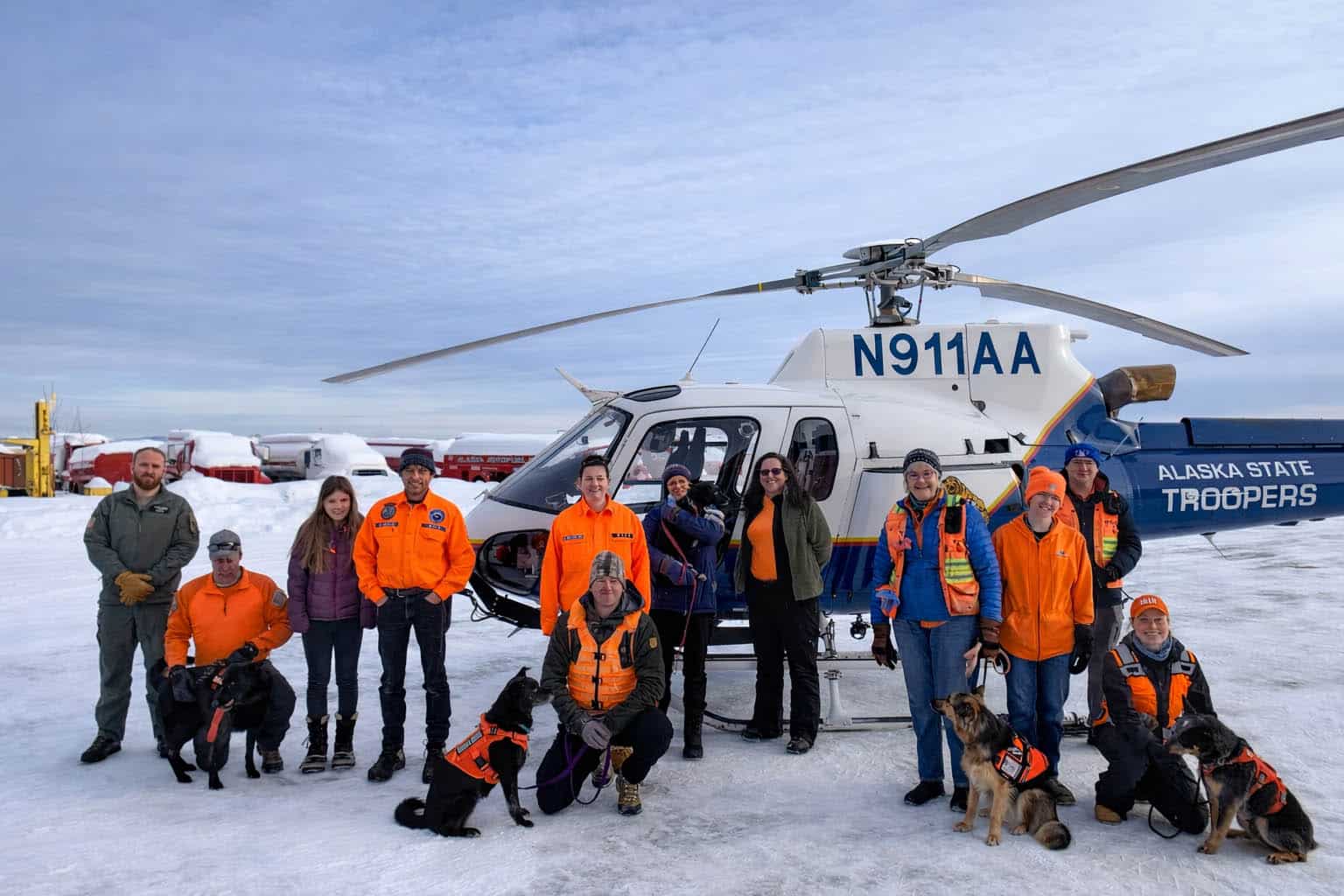
We have a lot of volunteer search and rescue groups, which we’re grateful for, especially because they operate at a professional level. Coordinating their help is a big part of my job. The Alaska State Troopers are statutorily responsible for leading search and rescue (SAR) operations statewide, and we conduct more than 450 missions each year. All troopers are trained in SAR and work alongside more than 1,100 volunteers, as well as multiple agencies and organizations. SAR teams are deployed along with aircraft, vessels, ground teams, and canines to locate lost or injured residents and visitors. Once we’ve activated them for a mission, they get covered by the AST for workman’s comp should anybody be injured. And then we reimburse them for their expenses for travel and food. So we really count on them.
What is the most rewarding part of this work for you?
In search and rescue, you deal with a lot of tragedy, like unrecovered bodies from avalanches, that really wear on you. But the “wins” give us fuel to move forward. Last week, a 15-year-old fell 40 feet in the mountains and broke his back. Seeing the video of him being successfully hoisted into a U.S. Air Force helicopter by pararescuemen and knowing he’s now recovering—that’s what makes you want to get back out there and find the next person who needs help.
Tribal First Responders of the Last Frontier
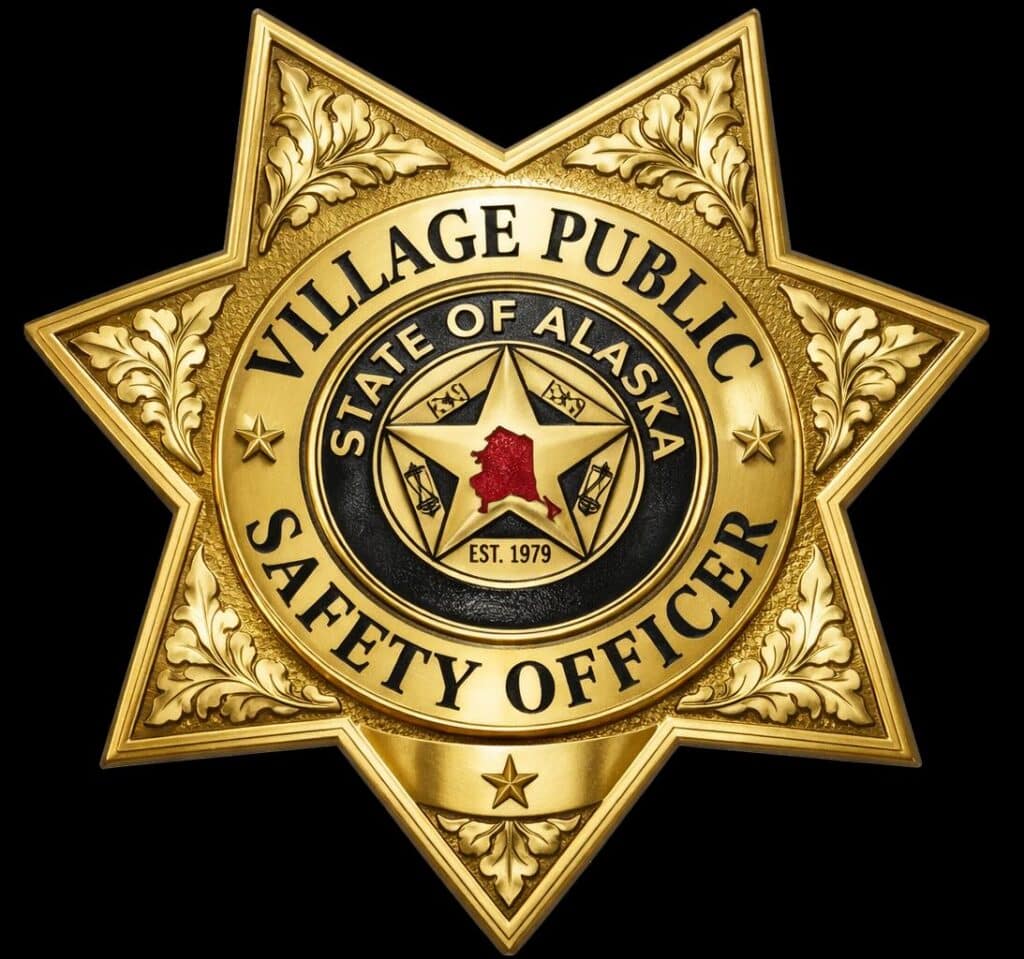
The Village Public Safety Operations (VPSO) program—established in 1979 and elevated to a standalone division of the Alaska Department of Public Safety in 2024—provides dedicated oversight and training for rural public safety. VPSOs serve Alaska’s most remote communities by decreasing emergency response times, maintaining a proactive, ongoing safety presence, and delivering law enforcement, fire prevention, emergency medical, and search-and-rescue services.
Building on a 47-year legacy, the program nearly doubled its ranks from 42 officers in 2020 to 87 by January 2025. It has also achieved impressive graduation and retention rates exceeding 80%.
Recent improvements driving the program's success include:
- Enhanced Leadership: The addition of Regional Public Safety Officers (RPSOs) has closed long-standing gaps in rural oversight by strengthening field supervision, training, and regional coordination.
- Strategic Upgrades: The division has reinforced its effectiveness through improved fiscal accountability, investments in infrastructure and technology, and deeper partnerships with Alaska Native Tribes.
- Long-Term Focus: While remote recruitment remains challenging, targeted hiring strategies and continued legislative backing positions the VPSO program for sustained growth and a lasting impact on rural public safety.
Source: Alaska Department of Public Safety, VPSO Division