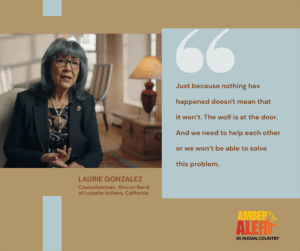
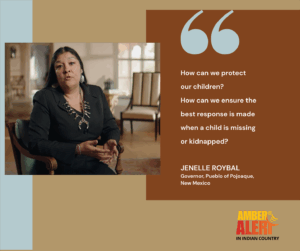
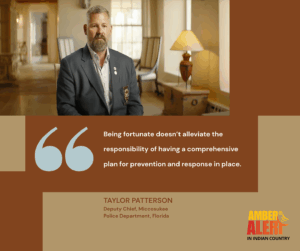
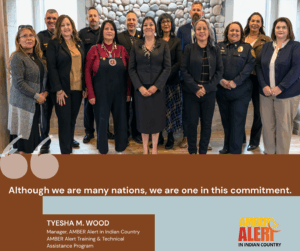
The goal of the new video (one of three in total) and AIIC training, is to:
- Cultivate awareness and build knowledge of available resources and support systems for Indian Country.
- Encourage American Indian/ Alaska Native (AI/AN) communities to implement effective response plans.
- Help Tribes understand the basics of the AMBER Alert system and evaluate their community’s preparedness.
- Promote the relationship-building between AI/AN, state agencies, and law enforcement.
- Emphasize the need for cultural awareness in handling missing/ abducted children cases.
- Build agency among AI/AN communities to take proactive measures to safeguard their children—and their children’s children.
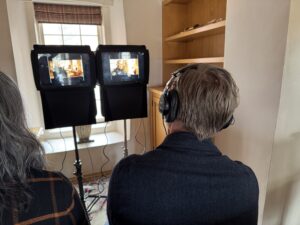
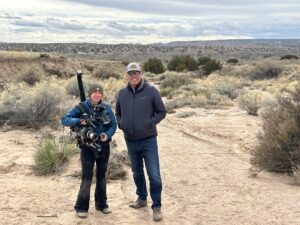
The AATTAP-AIIC team worked with two Indigenous filmmakers who form the heart of Bravebird, a company that regularly collaborates with the nationally respected marketing firm 6 AM. (See the sidebar “Telling Stories,” below.) Both firms are based in Wisconsin, and both “were perfect to work with based on their understanding of the sensitivity of this story,” says Tyesha M. Wood, Program Manager for AATTAP’s AMBER Alert in Indian Country initiative.
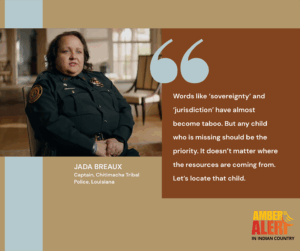
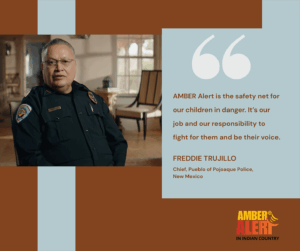
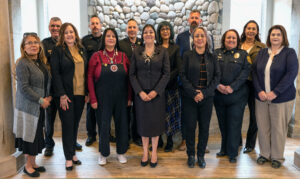
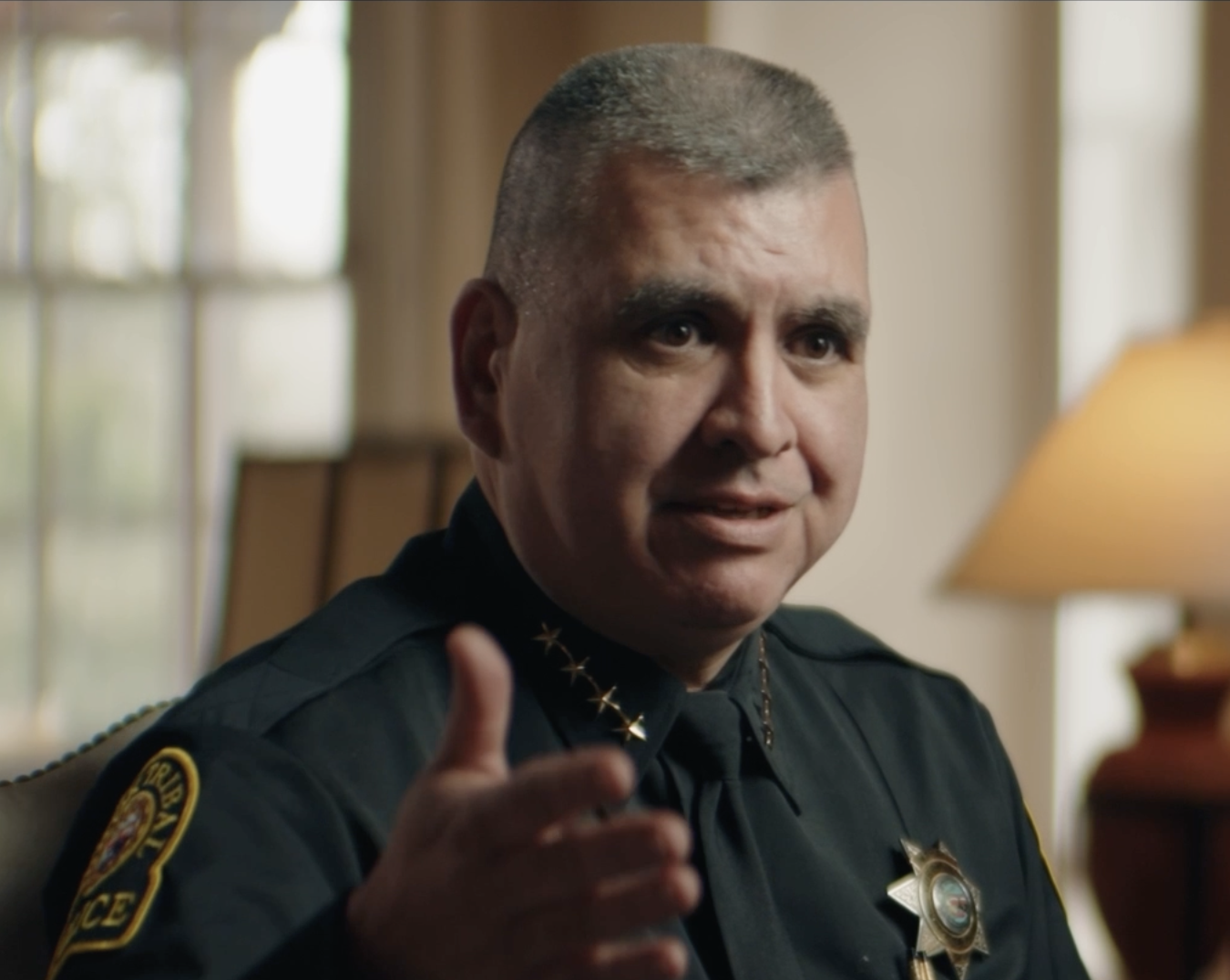
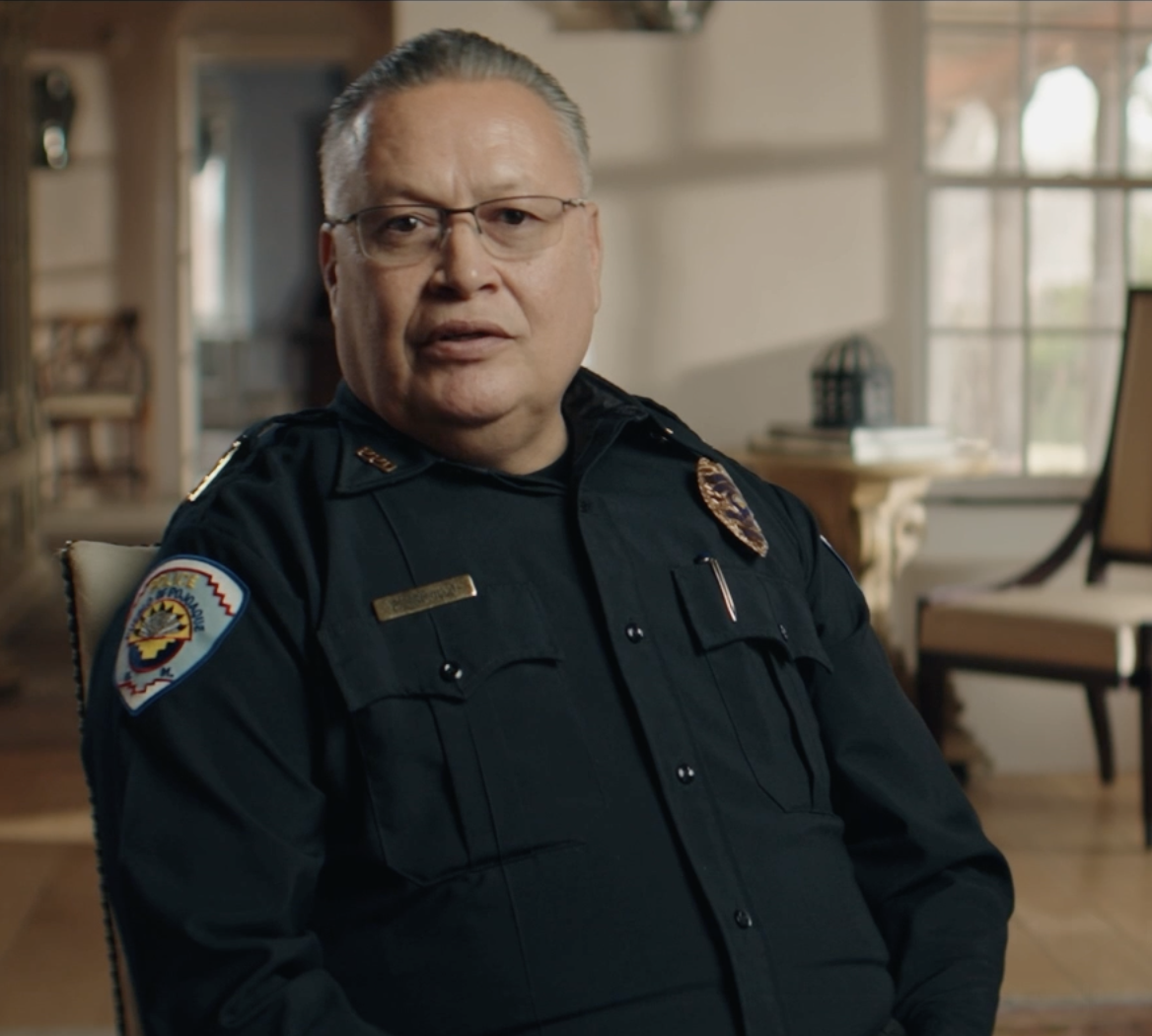
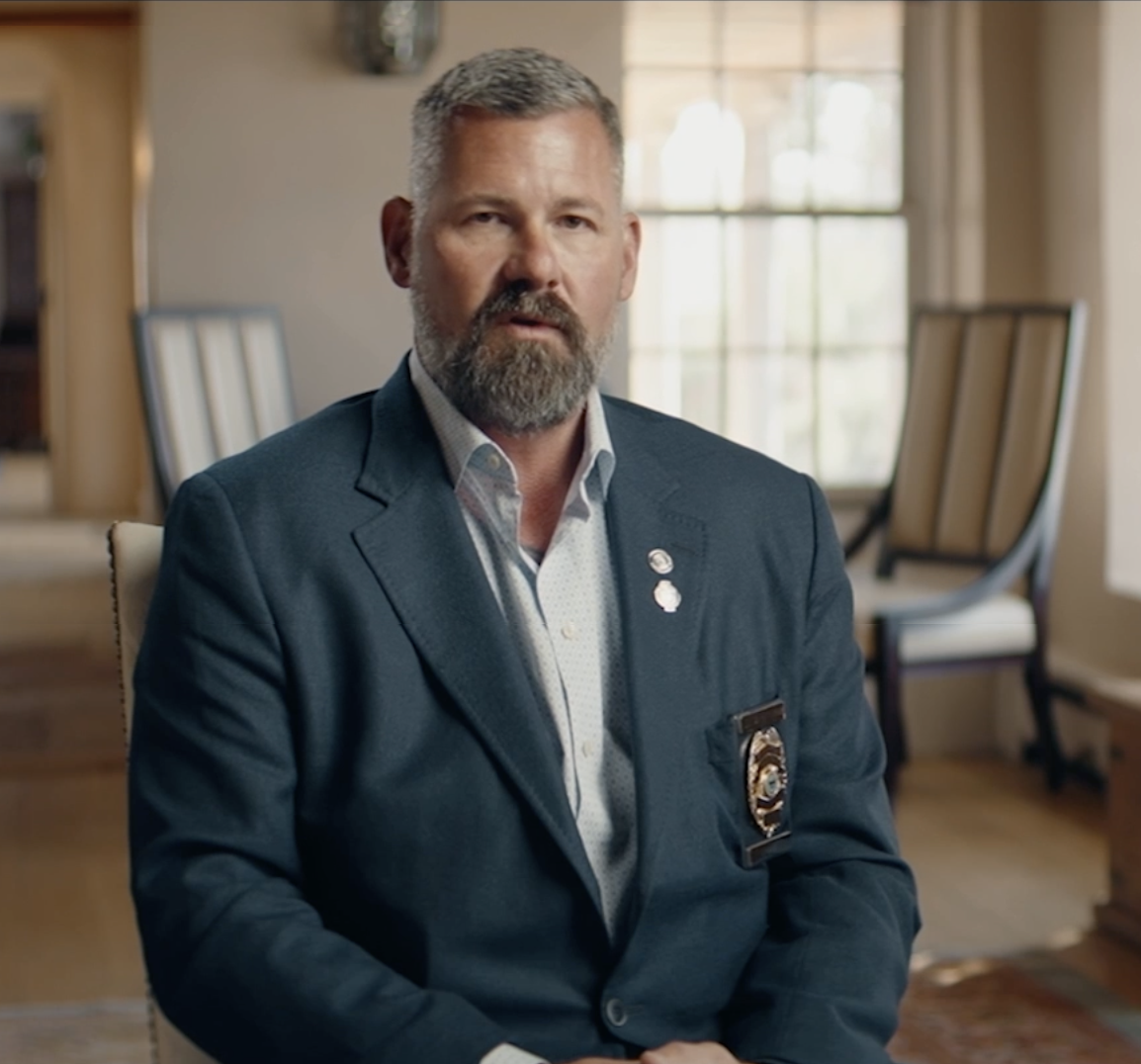
“We wanted to bring together voices of child protection officials from Tribes across the nation—law enforcement leaders and others who could feel comfortable in expressing what their concerns are and how the AMBER Alert in Indian Country program has helped them. And how it can help others too,” Wood says.
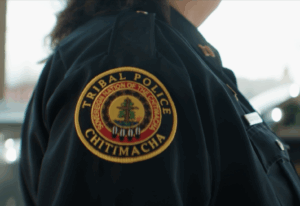
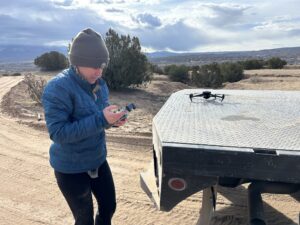
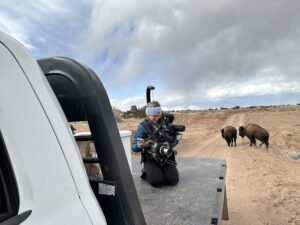
The video was filmed on the Pueblo of Pojoaque reservation, known to have existed since 500 AD. The New Mexico Tribe played host to the video’s participants, who came from northern California, south Louisiana, northern Florida, and all points in between.
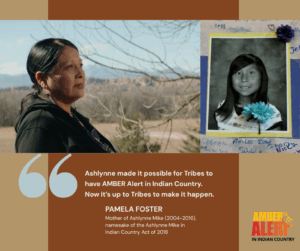
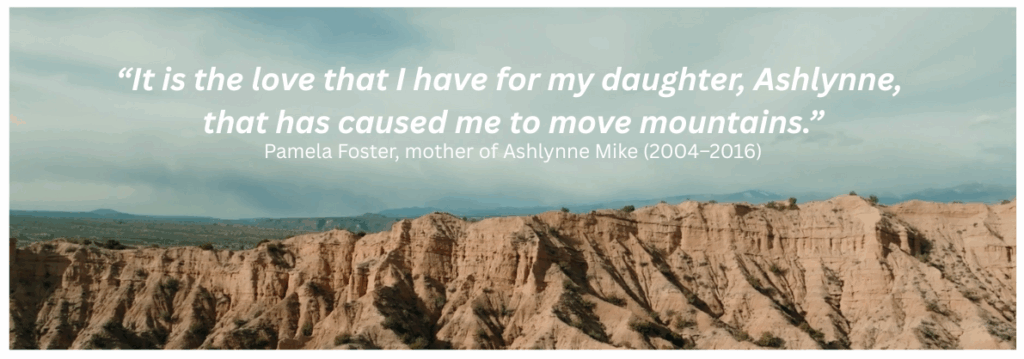
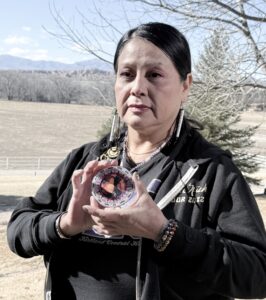
AIIC’s main champion in the video series is Pamela Foster, who figured prominently in the first video produced for the initiative after passage of the Ashlynne Mike AMBER Alert in Indian Country Act of 2018. Foster is the mother of Ashlynne, who on May 2, 2016, was abducted—along with her brother Ian—and murdered in a remote area on the Navajo Nation. Ian managed to escape and run several miles to seek help. But while Ashlynne’s parents made frantic efforts to locate her, misunderstandings and jurisdictional hurdles on the reservation prevented an AMBER Alert from being issued until the next day, robbing authorities of critical hours in their search efforts.
“On that day, a part of me died, and life has never been the same,” Foster says. But it also propelled her to lobby forlegislative change that would prevent another Tribal family from experiencing what hers did.
“I made a promise to Ashlynne that I would do my part to fix the loophole that exists in the system,” Foster says. “I would fight with every fiber of my being to bring AMBER Alert to Indian Country.”
The video underscores the urgency of implementing AMBER Alerts through the lens of law enforcement professionals and others working on the front lines of protecting Tribal children.
“For far too long, an epidemic has been playing out in Indian Country as it relates to missing and murdered Indigenous children, adults, wives, relatives, brothers, and fathers. And it is a monster,” says Major Nathan Barton of the Pueblo of Pojoaque Police Department.
In the video, Foster makes a direct appeal to Tribal leaders. “If you haven’t already received the AIIC training, please reach out. Thanks to Ashlynne’s law, we can work with you to establish an AMBER Alert plan,” she says. “What’s more, the training is free and accessible, and it’s adaptive to your needs. We just need more Tribal participation for this to be effective.”
After the process, Foster had this to reflect on: “Sitting with the Tribal leaders and law enforcement officials who participated in the shoot was heartening. I was happy to hear them talk about how vital it is to protect our children on and off the reservation, and they each came with a powerful message to share,” she says. “It was good to see that we are building a connection with one another, and others—and that we are committed to being supported and heard.”
ACTION ITEMS: