

Kidnapping survivor Elizabeth Smart offered a free workshop in St. George, Utah, to help girls and women protect themselves from being kidnapped. The Smart Defense program was created to give tools needed to stop a potential threat or escape an attacker. The program is already established in two communities in Northern Utah.
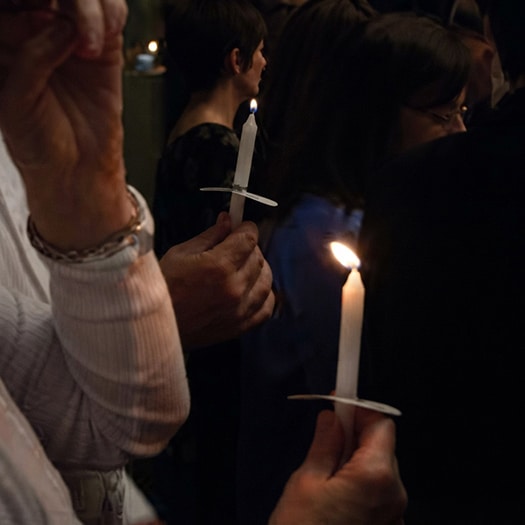 At the 2009 National AMBER Alert Symposium, family members of child abduction victims held a candlelight vigil for all victims. A large crowd joined more than 40 family members as they offered a prayer, sang songs, and lit a candle to expose the dark crimes committed against children.
“The life of every child in America is important, and as a nation, we must make the needed changes so no one will ever lose a child again,” said Ed Smart, father of Elizabeth Smart.
The vigil was prompted by the recent news of 7-year-old Somer Thompson, a Florida girl who was discovered in a Georgia landfill 2 days after she was discovered missing, and 9-year-old Elizabeth Olten, who was abducted and murdered on October 21, 2009, in Missouri.
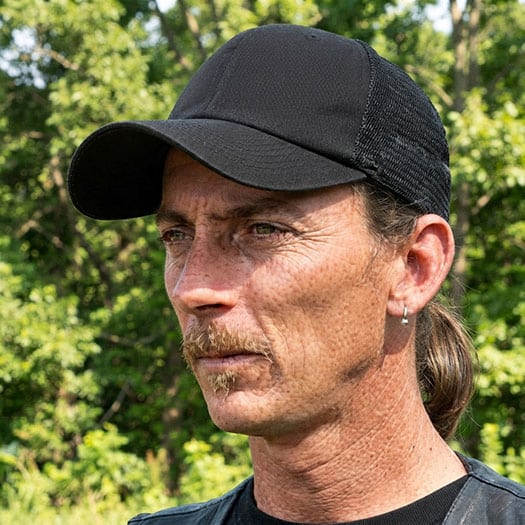
“We are surviving parents, and this is our job: to fight for laws and make sure programs are funded and doing what is needed to protect children,” says Mark Lunsford, father of Jessica Lunsford. “God speed the healing these families will need to go through and God's strength in their fight to protect them.”
Many of the family members are also members of the Surviving Parent's Coalition, a not-for-profit organization founded in 2008 to advocate for legislation that will aid in the prevention of crimes against children and young people, especially child sexual abuse, sexual assault, exploitation, and murder.

Erin Runnion, mother of Samantha Runnion, added, “We aim to raise awareness and determination among parents everywhere to honor these children by taking pro-active action to educate and empower our children and parents so that not one more child is victimized.”
The symposium included the largest gathering ever of family members for the Family Roundtable, which provides a platform for family members to share their personal and often painful experiences. The roundtable presented their findings to the symposium on how they believe child abduction cases can be handled better, including securing the home quickly to protect evidence and interviewing all potential suspects as soon as possible, inviting Child Abduction Response Teams (CARTs) to help in the case and making sure a victim advocate is part of the team, considering the impact on the family before deciding on the location of the Command Post, using tracking dogs when possible to help in the search, having an Endangered Missing Advisory plan in place for cases that do not meet the AMBER Alert criteria and providing an explanation to families when an AMBER Alert is not used, preparing family members for the media and helping them keep the child's case in the public eye, using care when notifying family members when a child has been recovered, and educating prosecutors, judges, and victim's advocates on the AMBER Alert so they can understand the issues of a victim and their family.
Family members have also been working to create a linear model that breaks down each child abduction case to 19 components. The model will be used to train law enforcement in the future.
Deputy Assistant Attorney General Mary Lou Leary thanked the family members for sharing their experiences during the roundtable. “What I learned during that time is that I can never really know how people feel,” said Leary. “I can only tell you that I respect your feelings and your courage for this noble purpose.”