

By Denise Gee Peacock
May 25 is National Missing Children's Day, but for the AMBER Alert Training & Technical Assistance Program (AATTAP) and National Criminal Justice Training Center (NCJTC), we think about missing children every single day.
“We not only train child protection professionals to quickly and safely resolve missing child incidents, but also work with some amazing family members of missing children and siblings,” says Janell Rasmussen, National Criminal Justice Training Center Director/ AATTAP Administrator.
“Family members such as Colleen Nick, Kimber Biggs, Jeffery Morehouse, and Desiree Young, to name a few, have shared their perspectives during training sessions, symposiums, and multimedia projects meant to help law enforcement understand family members’ unique perspectives. We owe them a debt of gratitude for their compassion and candor. And we stand strong with them and all other family members of missing children as they diligently work to see their missing child or sibling return home.”
*⃝ Read about the National Missing Children’s Day commemoration in Washington, D.C, which included a panel discussion with sibling-survivors and NCJTC-AATTAP Associates Kimber Biggs (featured in the above video), Rysa Lee, and Sayeh Rivazfar, who worked alongside them and others to help produce the new second edition of the What About Me? multimedia sibling survival guide.
Learn more about these loved ones who are still missing:
𒀭 𝗠𝗶𝗸𝗲𝗹𝗹𝗲 𝗕𝗶𝗴𝗴𝘀: https://www.facebook.com/mikellebiggs
𒀭 𝗔𝘁𝗼𝗺𝘂 𝗜𝗺𝗼𝘁𝗼 𝗠𝗼𝗿𝗲𝗵𝗼𝘂𝘀𝗲: https://www.bachome.org/mochi-morehouse.html
𒀭 𝗠𝗼𝗿𝗴𝗮𝗻 𝗡𝗶𝗰𝗸: https://morgannickfoundation.com/about/
𒀭 𝗞𝘆𝗿𝗼𝗻 𝗛𝗼𝗿𝗺𝗮𝗻: https://www.facebook.com/missingkyronhorman/
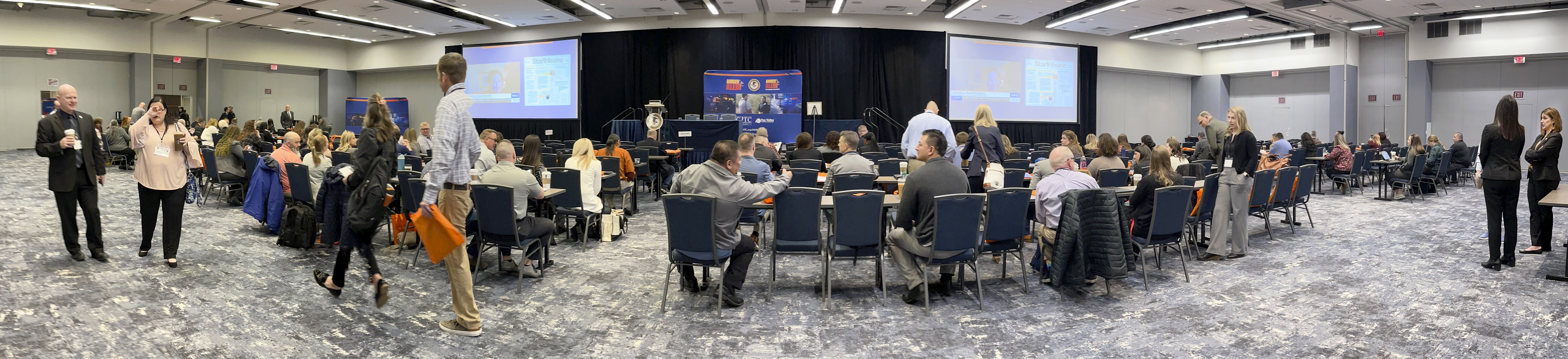
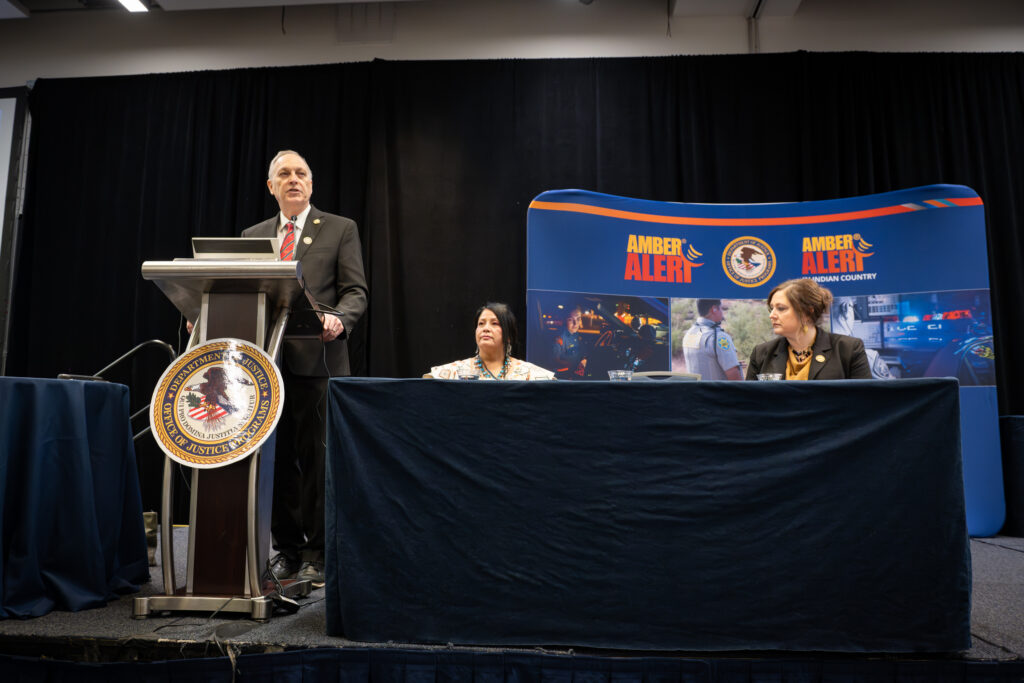



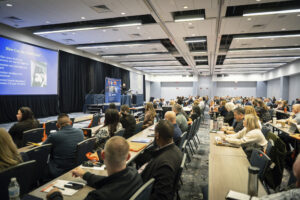



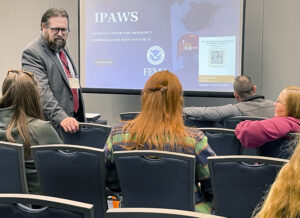





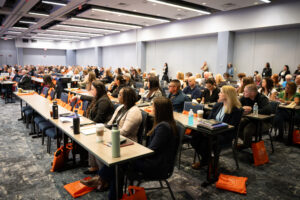






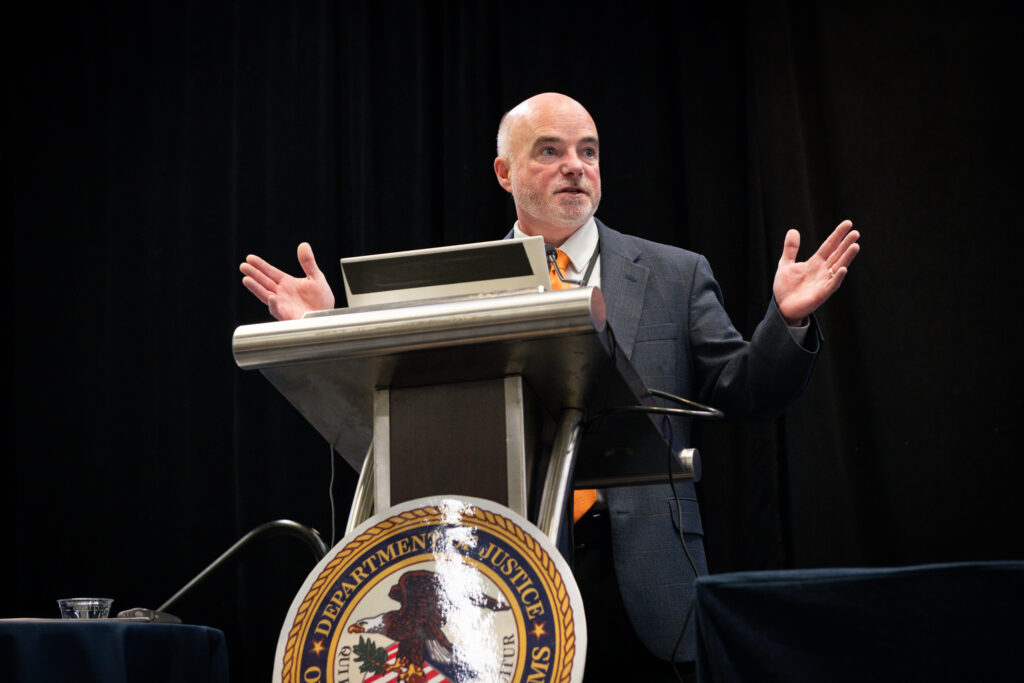 In his “Genetic Genealogy” presentation, crime scene forensics expert Ed O’Carroll cited several ways to “give people back their names,” adding “crime is more solvable than ever before.”
 • Be a “genetic witness”: Encourage people on the genealogy sites GEDmatch and AncestryDNA to opt in to giving law enforcement a broader field of DNA samples to consider when trying to pinpoint someone who may have committed a violent crime. “As many of us know, CODIS only gives a hit about half the time we use it.”