

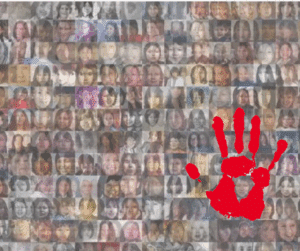
The New Mexico Missing and Murdered Indigenous People (MMIP) Task Force heard emotional testimonies as part of its ongoing efforts to address the MMIP crisis. Family members and others attending the group’s quarterly meeting recounted how Indigenous people have been impacted by human trafficking and the disproportionately high number of missing girls and women. Birga Alden, a task force member and chief communication officer at the nonprofit New Mexico Dream Center, emphasized the importance of hearing Indigenous voices and taking action. The task force, which collaborates with the New Mexico Department of Justice, is using its meetings to raise awareness of the MMIP crisis and to work toward updating a 2022 state response plan. That plan, released by the New Mexico Indian Affairs Department, outlines strategies to improve data collection and support for survivors and families.