By Denise Gee Peacock
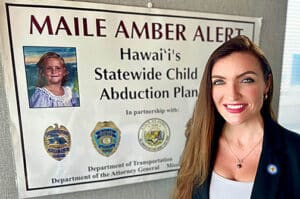
Nearly 3,000 miles and three time zones away, Hawaii's AMBER Alert Coordinator Amanda Leonard faced a daunting task: A 6-year-old Big Island girl named Violet was missing, and the best hope of finding her was in Arizona.
The parental custodial-interference case did not meet Hawaii’s strict criteria for issuing a MAILE AMBER Alert, so Leonard expected her options in Arizona would be similarly limited to a be-on-the-lookout (BOLO) bulletin shared with law enforcement. What she didn’t expect was an opportunity that would change the trajectory of the search—and set a precedent for a brand-new alerting tool.
The Backstory
After Violet was reported missing July 16, 2025, investigators learned her noncustodial mother, Sarah C., had flown with her from Kona to Phoenix Sky Harbor International Airport. After that, the trail went cold.
By Tuesday, July 22, one fact was clear: Sarah had no legal authority to take Violet to the mainland. Investigators were increasingly concerned about the child’s safety.
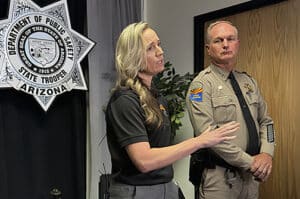
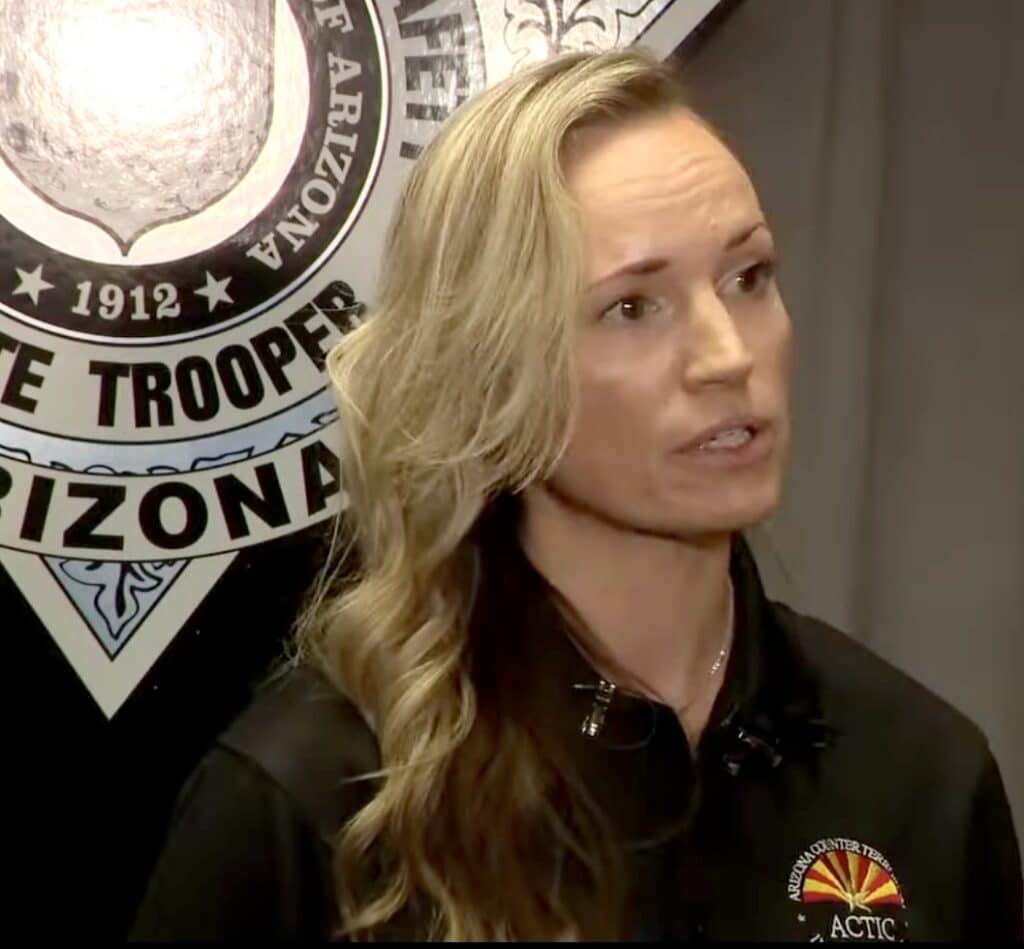
To locate her Arizona counterpart, Leonard turned to the AMBERAdvocate.org Partner Portal, maintained by the AMBER Alert Training & Technical Assistance Program of the National Criminal Justice Training Center (NCJTC). Her call reached the Arizona Department of Public Safety (DPS) Duty Office just as DPS Alerts Coordinator Kelsey Commisso* was finishing her shift.
Leonard explained the situation. Hawaii was not requesting an AMBER Alert extension—no formal alert had been issued—but asked Arizona to circulate a BOLO to law enforcement. The FBI and Hawaii Police Department were already coordinating with Arizona investigators. And if Arizona had other ideas, she was open to them.
A New Option Emerges
From home, Commisso continued following the case as new details came in—and began to consider another possibility. Arizona had enacted the Turquoise Alert less than two weeks earlier. It had never been used. Could this case qualify?
There was already confusion about the new alert. Some assumed, based on its name, that it was limited to Indigenous missing persons. While that had been its original intent, the statute broadened during the legislative process to include all missing and endangered individuals under 65, while also recognizing the disproportionate impact of missing and murdered Indigenous people (MMIP).
The alert stems from “Emily’s Law,” Arizona House Bill 2281, created in memory of 14-year-old Emily Pike, a San Carlos Apache Tribal member found murdered after being reported missing in early 2025. The law was signed in May 2025 by Governor Katie Hobbs to improve responses to disappearances, particularly those involving Indigenous people.
Using the alert for a non-Native child—from as far away as Hawaii—would likely raise questions. But the criteria appeared to fit. Commisso called her supervisor, Sgt. Kim Love-Ness. They agreed: The case met the criteria and could be activated at Hawaii’s request.