
Purple Infiniti G37S with temporary plates turning a corner.

After a domestic incident, a  4-month-old was abducted in Doraville, Atlanta by a suspect fleeing in a distinct purple Infiniti sedan. While the case was under review for a formal statewide Levi's Call, the Doraville Police Department issued a be-on-the-look-out (BOLO) alert directly to the community. By immediately broadcasting vehicle descriptions to regional media, agencies created a rapid local dragnet. The child was recovered safely within hours, demonstrating that localized BOLO alerts are indispensable for securing victims while statewide activation criteria undergo verification.


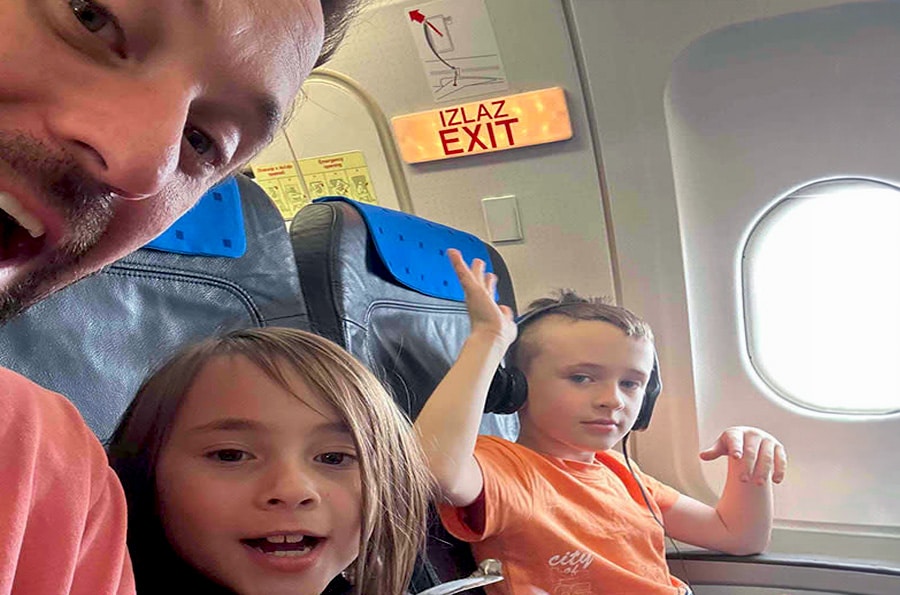
Father and two children take a selfy while flying on a commercial airline

The safe recovery of four missing children abducted to Croatia underscores the critical role of international legal frameworks for international parental child abduction cases. The children were located in a foreign orphanage approximately two months after their mother fled the U.S. in November. Success was driven by a combination of Hague Convention applications, the hiring of local Croatian counsel, and a successful GoFundMe mobilization to fund the complex retrieval. This case highlights that when a suspect crosses international borders, immediate interagency intelligence sharing and engaging specialized legal resources are the most effective tools for ensuring a successful, safe return to the rightful guardian.


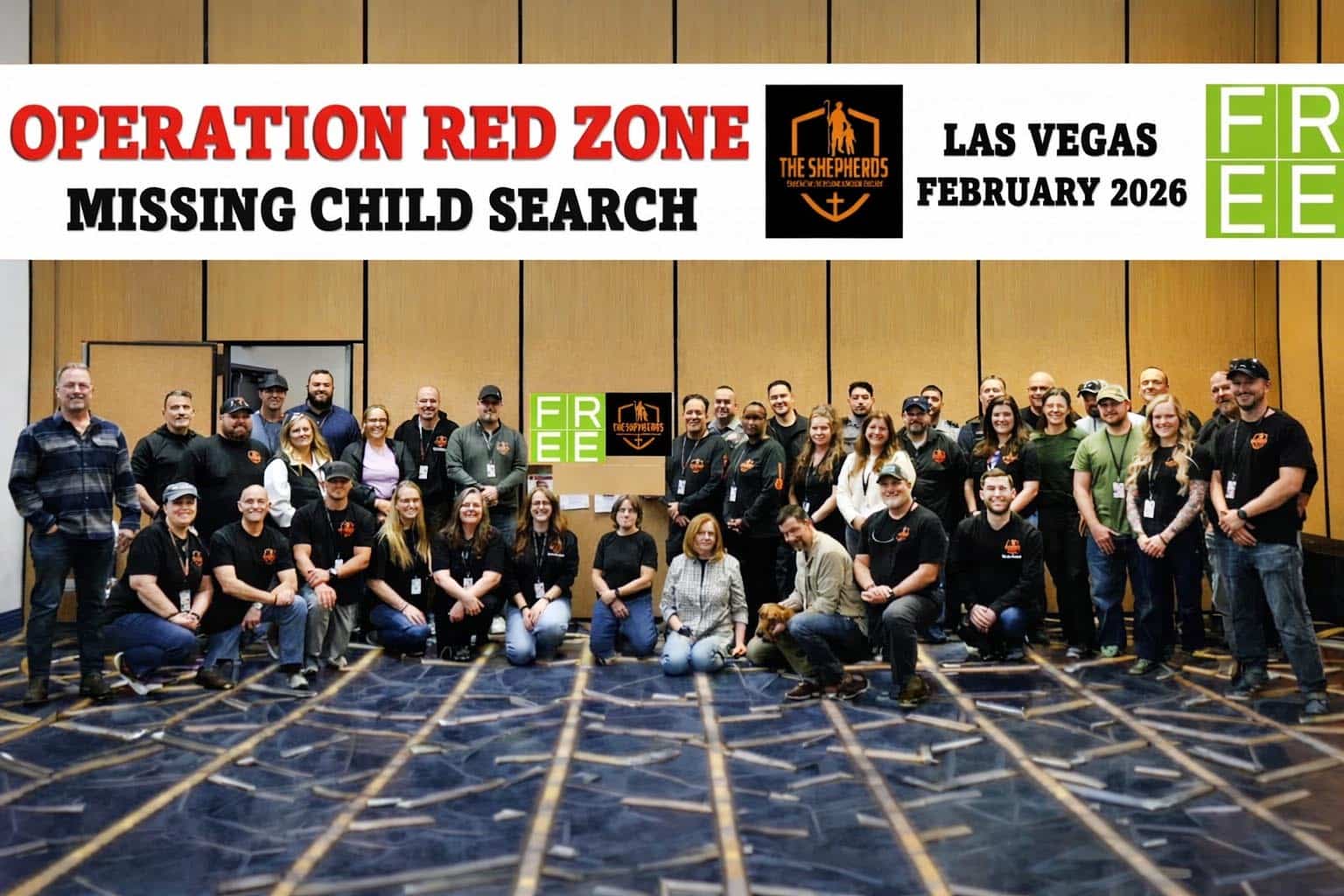
Group portrait of Operation Red Zone team

A specialized multiagency operation in Las Vegas successfully recovered 12 missing children Feb. 2-6, 2026. The operation’s efficiency—recovering over 50% of targeted missing leads within five days—highlights the efficacy of a multi-agency operation. Success was achieved by embedding non-profit experts from F.R.E.E. International directly into the Nevada Human Trafficking Task Force, allowing for real-time intelligence sharing and immediate wrap-around survivor services. This victim-centered model emphasizes that pre-existing community partnerships drastically compress recovery windows. By utilizing intelligence-driven leads rather than static searches, authorities successfully transitioned children from endangerment to secure environments, providing a scalable operational blueprint for rapid-response teams nationwide.


2-year-old boy with blonde hair and blue eyes in dinosaur pajamas resting on furniture

The February 2026 recovery of a 2-year-old offers critical takeaways on multiagency operations. The abduction was identified after the armed suspect left the assaulted mother at a local emergency room. Rapid hospital-to-police communication enabled the Starke County Sheriff’s Office to issue a statewide AMBER Alert by 5:30 a.m. The child was recovered safely two hours later during a welfare check. By isolating the child’s recovery from the suspect’s apprehension, the FBI GRIT Task Force and U.S. Marshals could deploy chemical agents to secure the barricaded suspect. This case proves how pre-established task force partnerships safely resolve high-threat scenarios.


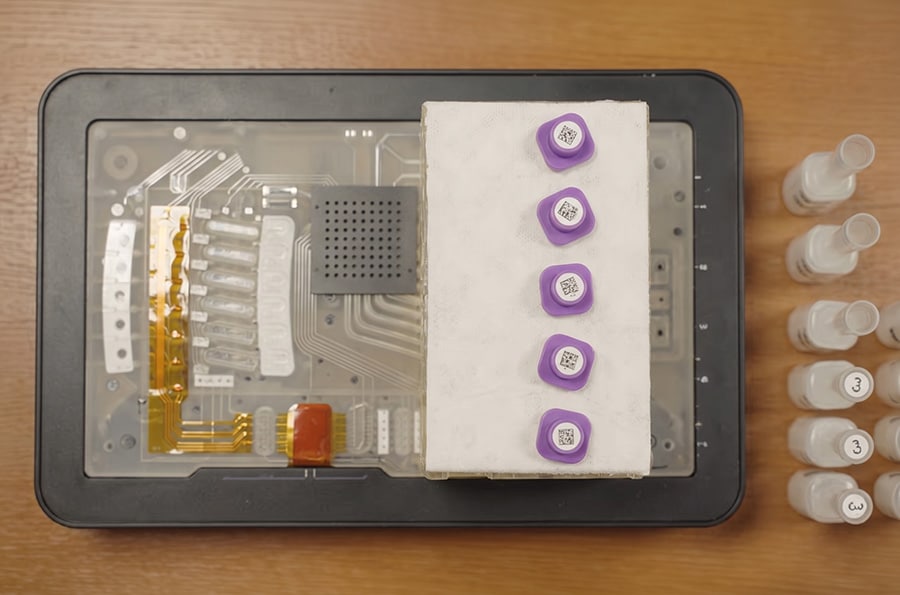
DNA testing device and specimens in small plastic bottles

The recent Europol OSINT hackathon in The Hague and a new €2 million commitment from the Netherlands highlight how international law enforcement and biometrics are advancing complex missing child investigations. In April 2026, experts from 18 countries utilized open-source intelligence to track 45 forcibly transferred Ukrainian children, effectively mapping illicit transportation routes and identifying holding facilities. For AMBER Alert Coordinators, this multi-agency response offers a powerful blueprint for tackling cross-border abductions. The Dutch grant directly supplies rapid DNA testing kits to expand Ukraine’s centralized genetic database. This robust repository not only accelerates family reunification but also establishes an irrefutable evidentiary chain of custody. Crucially, the initiative also funds post-recovery psychosocial care, ensuring rescued minors receive the support necessary to heal from profound trauma and indoctrination.


Closeup of silver car rear license plate area with a Missouri temporary license 008DMLF and expired 02/13/26


A coordinated law enforcement response and a swiftly issued Missouri AMBER Alert led to the safe recovery of two siblings, aged 10 and 8, just 45 minutes after activation. The children were abducted in the Northland area by 27-year-old Lyrick Bryson. The alert included critical vehicle descriptors (a silver Infiniti with a temporary Missouri tag). This information allowed Kansas City Police to locate the suspect vehicle and children in south Kansas City. The rapid resolution highlights the effectiveness of seamless cross-jurisdictional communication between the Missouri State Highway Patrol and local agencies.


12- and 14-year old sisters wearing fuzzy red hooded jackets with Christmas tree on front and Christmas tree bulb necklaces stand in front of go carts.


Highlighting the complex decision-making involved in modern abductions, the Martin County (Florida) Sheriff’s Office (MCSO) successfully recovered two sisters, aged 12 and 15, by strategically delaying an AMBER Alert to maintain a tactical advantage. Investigators determined the suspect, 19-year-old Hser Mu Lah Say, was actively monitoring digital channels. Fearing an alert would cause him to flee or harm the victims, detectives instead commandeered the family's device, impersonating relatives in chats to track his movement along I-75 without revealing law enforcement involvement. This "silent pursuit" allowed the Georgia Highway Patrol to intercept the suspect's Honda CR-V in Lowndes County just minutes before the alert was scheduled to launch. The case offers a vital case study for Coordinators on weighing the benefits of public saturation against the risks of tipping off digitally savvy predators.