
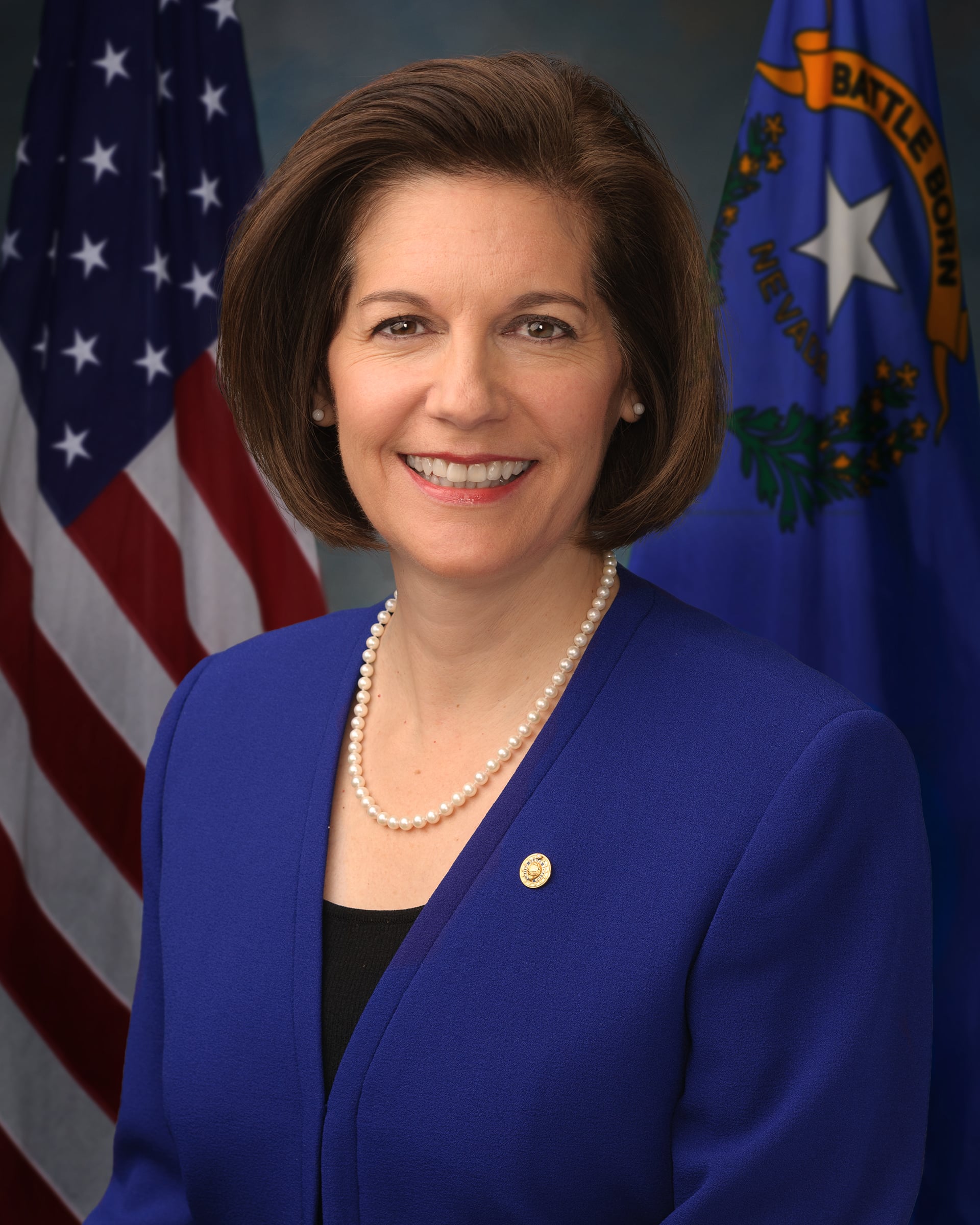
Photo of Nevada Senator Catharine Cortez Masto

New bipartisan legislation aims to bolster the search for missing children in Indian Country. Introduced in October 2025 by Senators Catherine Cortez Masto (D-NV) and Markwayne Mullin (R-OK), the Tribal Warrant Fairness Act would authorize the U.S. Marshals Service to assist Tribal law enforcement in locating missing children and executing warrants. Currently, the Marshals Service lacks statutory authority to support Tribal agencies, creating jurisdictional gaps. Addressing over 4,000 unsolved cases and 2023 federal recommendations, the bill seeks to close these gaps. “Tribal communities need more tools to combat violent crime,” said Senator Cortez Masto. The legislation grants Tribal agencies crucial access to federal investigative capabilities to accelerate recoveries and improve safety.

Image of Native American Indigenous female reviewing electronic data

Tribal courts could soon have easier access to electronic evidence such as emails and social media messages in criminal cases—a move that would be beneficial, among other things, in Internet crimes against children investigations. U.S. Senators Catherine Cortez Masto of Nevada and Mike Rounds of South Dakota introduced the bipartisan Tribal Access to Electronic Evidence Act as a way to give Tribal courts equitable access and better equip them to deliver justice for victims. “We know that criminals are using online tools to traffic drugs and commit other crimes in Indian Country,” Cortez Masto said. “What we also know is that Tribal courts struggle to get electronic evidence because tech companies won’t honor those Tribal warrants.” Rounds added that it’s important that Tribal law enforcement is able to do its job “without the federal government getting in the way.”