

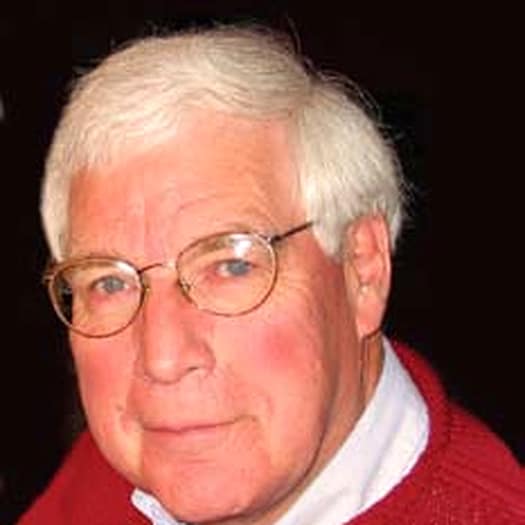
Utah Broadcasters Association President Dale Zabriskie says a very persistent Oklahoman helped bring the AMBER Alert to Utah and many other states as well. Carl Smith was the president of the Oklahoma Broadcasters Association and set up the nation's first statewide AMBER Alert Plan. Zabriskie said he remembers Smith pitching the AMBER Alert plan every time he met with his broadcasting colleagues. He said he finally took on the project to get Smith off his back and because it was such a good idea.
“I think it is definitely a noble cause to bring missing and abducted children back to their parents unharmed,” said Zabriskie. “We thought obviously this is something we can do in Utah, but we realized we couldn't do it by ourselves.”
Utah's AMBER Alert Plan was born on April 2, 2002, after a few meetings between Zabriskie and representatives from Utah's Attorney General's Office, Police Chiefs Association, Department of Public Safety Utah and the primary provider for the state's Emergency Alert System.
“It's a perfect win-win situation with police needing help in that type of situation, parents are frantic for whatever help that can be provided and you have this tool from broadcasters that can help,” said Zabriskie. “It just had to be organized with the right information to spread the word.”
Zabriskie has been spreading the word about AMBER Alerts ever since. He has attended every national and regional conference since the National AMBER Alert Initiative began in 2003.
“We know the AMBER Alert works because the way people respond to it,” said Zabriskie. “They hear it and they bring the child home.”
Surprisingly, the long-time broadcaster's career began at a newspaper. Zabriskie was still in college when he started as a sportswriter and then a city desk reporter. He went on to work in public relations and was eventually hired as a lobbyist for broadcasters. In 1985 he became the Executive Director of the Utah Broadcasters Association.
Zabriskie believes broadcasters need to be strong partners and said it is vital for them to participate in after-action reviews of each alert. “This is a great way for broadcasters to feel they have a role in the plan, and it feeds their enthusiasm for the AMBER Alerts,” said Zabriskie.
Broadcasters have also been enlisted by Zabriskie to promote the AMBER Alert plans in other ways, including: the Utah Fox-TV affiliate provided all of the production for a state AMBER Alert training DVD; the Utah NBC-TV affiliate produced a radio and TV public service announcement for AMBER Alerts that was designed to air in every state; every radio and TV station in Utah has a break room poster that includes a checklist for what a broadcaster should do during an AMBER Alert and an Endangered Person Advisory; and the Utah Broadcasters Association has sponsored and provided meals and materials for several statewide training sessions for broadcasters and law enforcement public information officers.
“I'm proud of how we have been innovative,” said Zabriskie. “I remember saying (A): No two states will have the same AMBER Alert system and (B): it will always be a work in progress.” He said he is grateful Utah did not involve any legislation for its AMBER Alert plan so changes could be made quickly and without any changes in the law.
In his spare time, Zabriskie likes to watch sports, spend time at his cabin and read novels and books about history. He is proud his daughter, Michele, is taking a bigger role in the child abduction alert plan by participating on the Utah AMBER Alert Advisory Committee. Zabriskie said he is counting on others to keep the momentum going. “The challenge would be to continue to respond the way we have and not become complacent.”