

This was a different kind of family reunion. The Family Roundtable held in Washington, D.C., brought together families of child abduction victims from all over the nation. Some families had a child who came home and some did not. Some families located the remains of their child, but others still have no idea what happened.
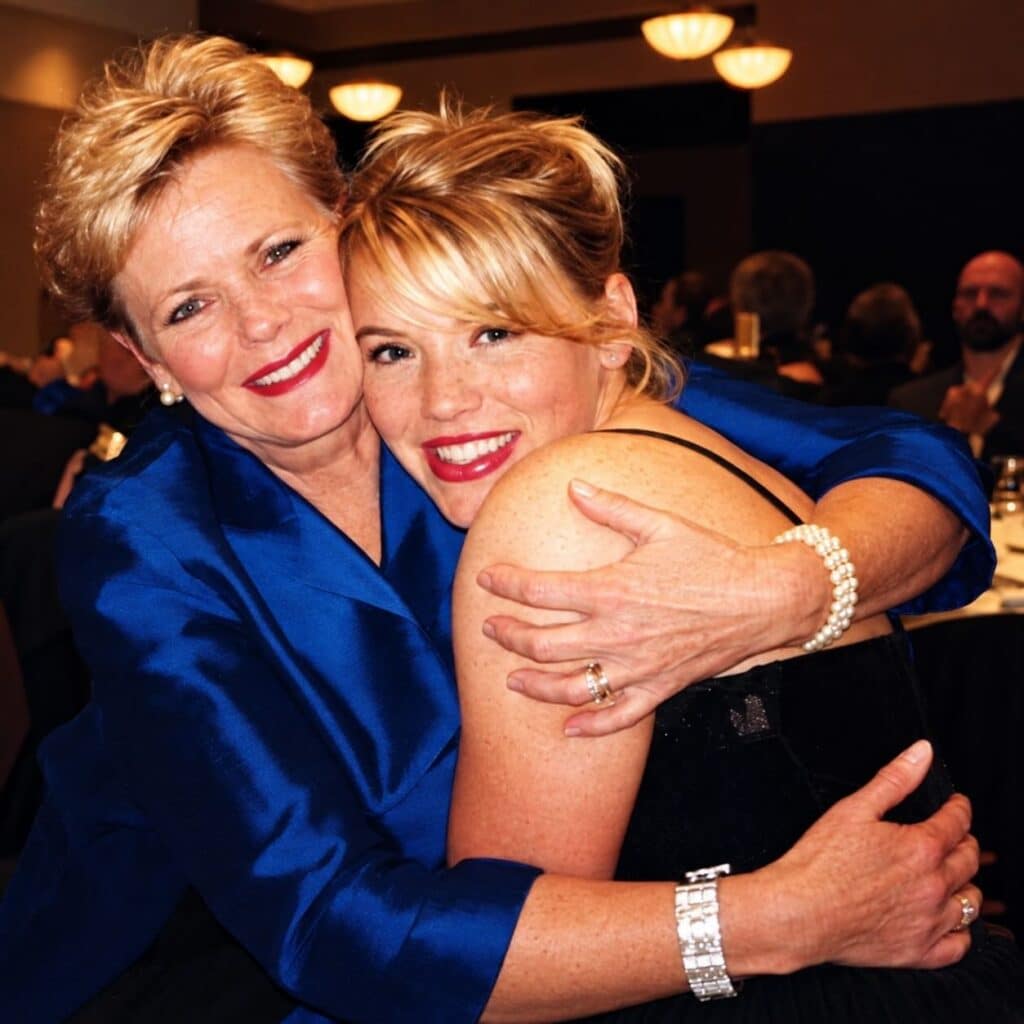
A total of 28 child abduction victims and family members gathered Feb. 16-17, 2009, for the fifth Family Roundtable sponsored by the U.S. Department of Justice. The roundtable meetings have become an important tool to learn firsthand from families what works best when a child is abducted.
Previous roundtable meetings included personal stories from victims and family members. This meeting was the first to use a timeline to mark and discuss each milestone a family experiences during a child abduction: from the initial call to the first police response to the final court appeal. Participants were divided into groups based on the outcome of their cases, i.e., recovered alive, recovered deceased, or still missing.
“The feedback we got from the different groups was dramatically different. Their issues were different,” said Phil Keith, AMBER Alert Program Director for Fox Valley Technical College. “We learned things we did not know before and filled in some gaps.”
Keith said he was surprised by a comment made by a sibling of an abducted child. “Not only did we lose our sibling, we lost our parents,” quoted Keith. Some parents divided their duties so one parent was always taking care of the needs of the other children.
Organizers hope to create something more substantive rather than anecdotal to help law enforcement handle child abduction cases each step of the way.
Linda Walker, the mother of kidnap victim Dru Sjodin was grateful so many families were asked to participate in the discussion. “These people are such a wealth of information that it would be a shame not to tap into it,” said Walker. “They were open to listen to us, and I received renewed strength and hope about what they are planning to do.”
On Nov. 22, 2003, Sjodin was leaving the mall in Grand Forks, North Dakota, and talking on the cell phone with her boyfriend. Her final words on the phone were “Okay, okay” and then “Oh my God.” Five months later the 22-year-old student's body was found in a deep snowdrift in Crookston, Minnesota.
“We were fortunate to have a community to wrap their arms around us,” said Walker. “We were treated extremely well but that is not the case for every family.”

The parents of Lindsey Ryan said their family was not treated well. Their 14-year-old daughter went willingly with a 56-year-old convicted murderer from her home in Jones, Michigan. They were found 23 days later in Sacramento. Authorities kept the victim for another four and one-half months because they did not understand why a young girl would go away with an older man.
“She was terribly mistreated by a system that is not prepared to deal with compliant victims,” said Carol Ryan, Lindsey's mother. “She was re-victimized by the judicial system.”
But Ryan believes these discussions will help end the misunderstandings. “It's the systematic lack of knowledge,” she said. “These roundtables are going to change that.”
The Department of Justice plans to hold the next Family Roundtable at the National AMBER Alert Conference in October 2009.