







By Denise Gee Peacock

Our children are the heart of our communities—the keeper of our legacies. But sometimes the unthinkable happens. A child goes missing. And in those desperate moments, every second counts. So do AMBER Alerts. 

Thus begins a new eight-minute AMBER Alert in Indian Country-focused video filmed in Santa Fe. It is the longest of three videos that focus on AMBER Alert being a lifeline—a rapid response system that mobilizes entire communities to help find missing and abducted quickly and safely.

In Indian Country, implementing AMBER Alert comes with unique challenges: jurisdictional rights, infrastructure and resources limitations, crime reporting complexities, and the need for cultural understanding and multiagency collaboration.

The AMBER Alert in Indian Country (AIIC) initiative—part of the AMBER Alert Training & Technical Assistance Program (AATTAP) of the National Criminal Justice Training Center (NCJTC) of Fox Valley Technical College—is a bridge meant to overcome such issues.

“We all have a role to play in protecting our children,” says NCJTC Director and AATTAP Administrator Janell Rasmussen. “By working together, we can ensure that every community in Indian Country has the resources and support they need to implement AMBER Alert effectively.”

Quote icon
We all have a role to play in protecting our children. By working together, we can ensure that every community in Indian Country has the resources and support they need to implement AMBER Alert effectively.
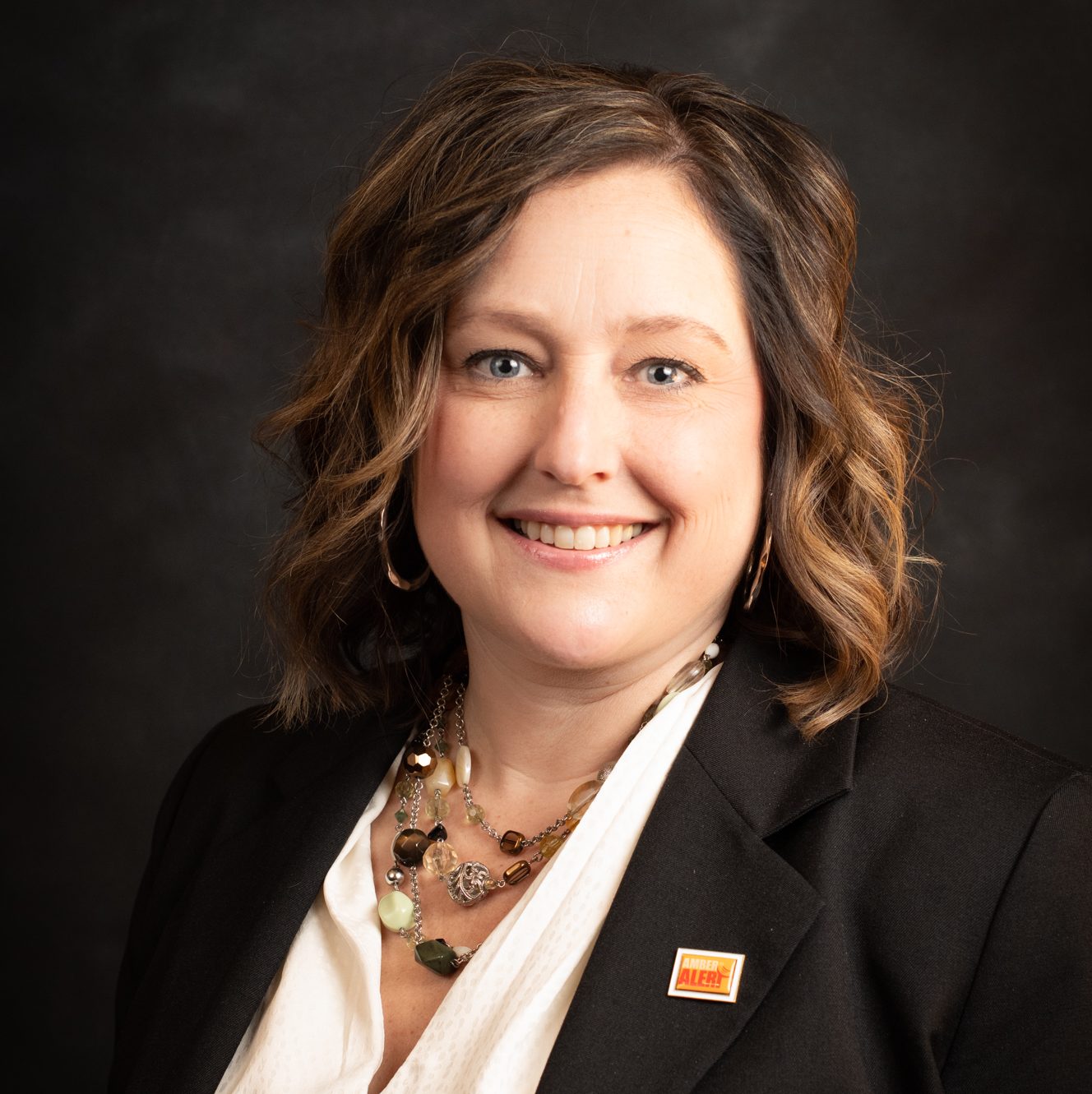
Janell Rasmussen Director, National Criminal Justice Training Center / Administrator, AMBER Alert Training & Technical Assistance Program
Quote image
Quote icon
Although we are many nations, we are one in this commitment.
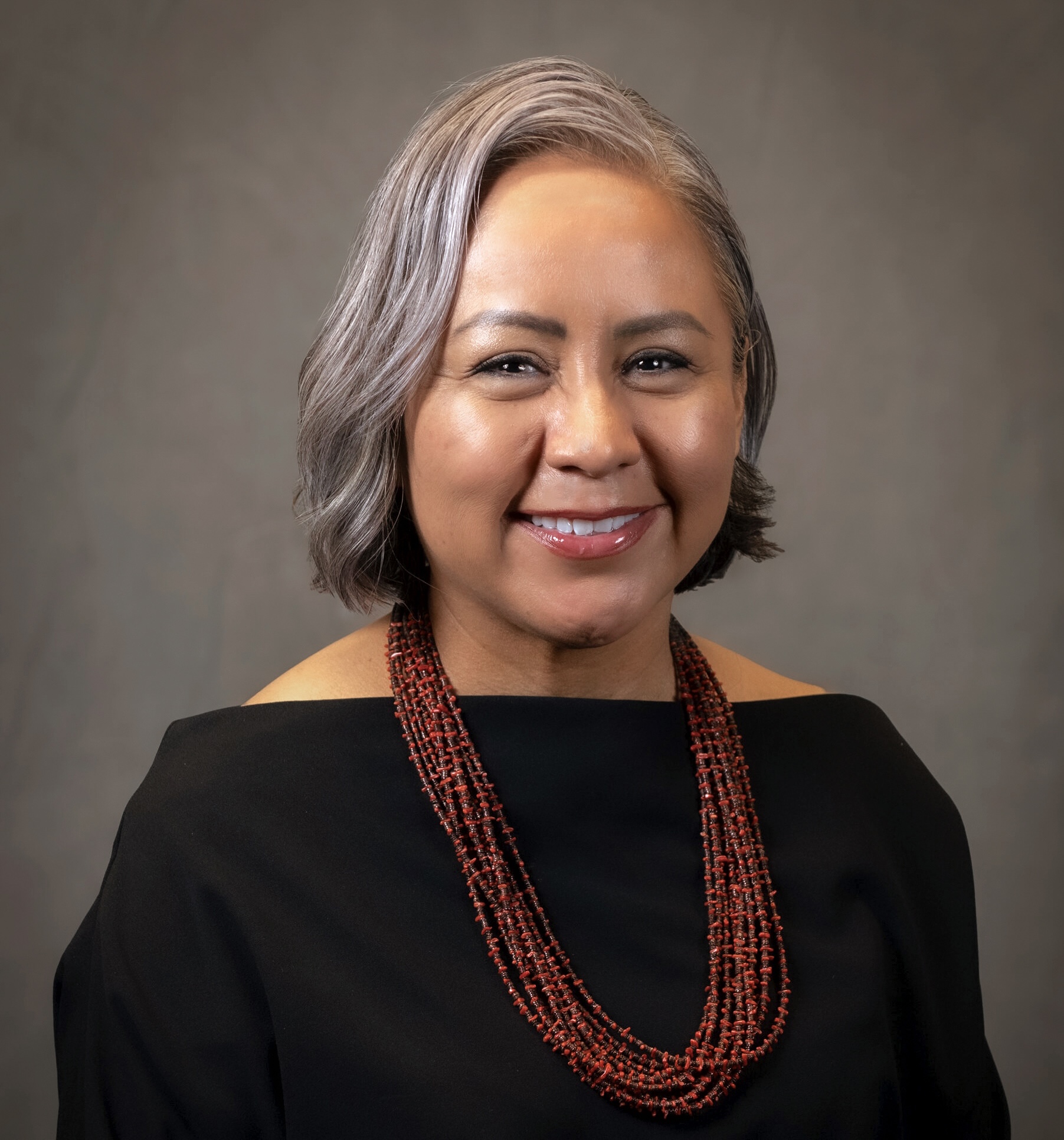
Tyesha M. Wood Manager, AMBER Alert in Indian Country initiative/AMBER Alert Training & Technical Assistance Program
Quote image

The goal of the new video (one of three in total) and AIIC training, is to:

  • Cultivate awareness and build knowledge of available resources and support systems for Indian Country.
  • Encourage American Indian/ Alaska Native (AI/AN) communities to implement effective response plans.
  • Help Tribes understand the basics of the AMBER Alert system and evaluate their community’s preparedness.
  • Promote the relationship-building between AI/AN, state agencies, and law enforcement.
  • Emphasize the need for cultural awareness in handling missing/ abducted children cases.
  • Build agency among AI/AN communities to take proactive measures to safeguard their children—and their children’s children.

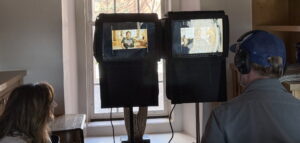
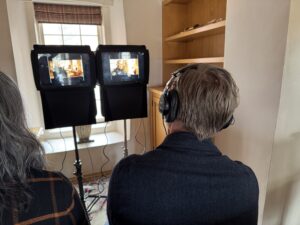
The AATTAP-AIIC team worked with two Indigenous filmmakers who form the heart of Bravebird, a company that regularly collaborates with the nationally respected marketing firm 6 AM. (See the sidebar “Telling Stories,” below.) Both firms are based in Wisconsin, and both “were perfect to work with based on their understanding of the sensitivity of this story,” says Tyesha M. Wood, Program Manager for AATTAP’s AMBER Alert in Indian Country initiative.

“We wanted to bring together voices of child protection officials from Tribes across the nation—law enforcement leaders and others who could feel comfortable in expressing what their concerns are and how the AMBER Alert in Indian Country program has helped them. And how it can help others too,” Wood says.

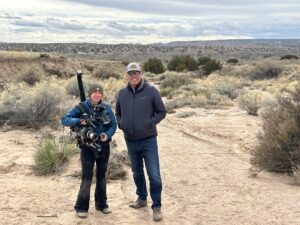
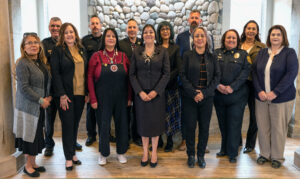
The video was filmed on the Pueblo of Pojoaque reservation, known to have existed since 500 AD. The New Mexico Tribe played host to the video’s participants, who came from northern California, south Louisiana, northern Florida, and all points in between.

AIIC’s main champion in the video series is Pamela Foster, who figured prominently in the first video produced for the initiative after passage of the Ashlynne Mike AMBER Alert in Indian Country Act of 2018. Foster is the mother of Ashlynne, who on May 2, 2016, was abducted—along with her brother Ian—and murdered in a remote area on the Navajo Nation. Ian managed to escape and run several miles to seek help. But while Ashlynne’s parents made frantic efforts to locate her, misunderstandings and jurisdictional hurdles on the reservation prevented an AMBER Alert from being issued until the next day, robbing authorities of critical hours in their search efforts.

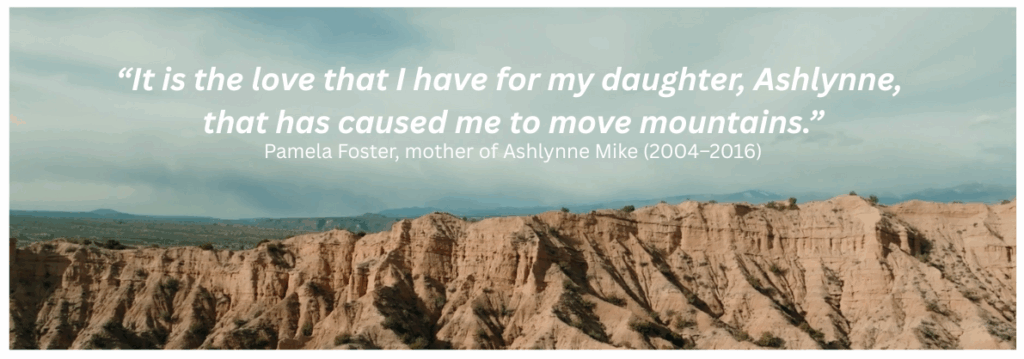
“On that day, a part of me died, and life has never been the same,” Foster says. But it also propelled her to lobby forlegislative change that would prevent another Tribal family from experiencing what hers did.

“I made a promise to Ashlynne that I would do my part to fix the loophole that exists in the system,” Foster says. “I would fight with every fiber of my being to bring AMBER Alert to Indian Country.”

The video underscores the urgency of implementing AMBER Alerts through the lens of law enforcement professionals and others working on the front lines of protecting Tribal children.

“For far too long, an epidemic has been playing out in Indian Country as it relates to missing and murdered Indigenous children, adults, wives, relatives, brothers, and fathers. And it is a monster,” says Major Nathan Barton of the Pueblo of Pojoaque Police Department.

In the video, Foster makes a direct appeal to Tribal leaders. “If you haven’t already received the AIIC training, please reach out. Thanks to Ashlynne’s law, we can work with you to establish an AMBER Alert plan,” she says. “What’s more, the training is free and accessible, and it’s adaptive to your needs. We just need more Tribal participation for this to be effective.”

After the process, Foster had this to reflect on: “Sitting with the Tribal leaders and law enforcement officials who participated in the shoot was heartening. I was happy to hear them talk about how vital it is to protect our children on and off the reservation, and they each came with a powerful message to share,” she says. “It was good to see that we are building a connection with one another, and others—and that we are committed to being supported and heard.”

ACTION ITEMS:

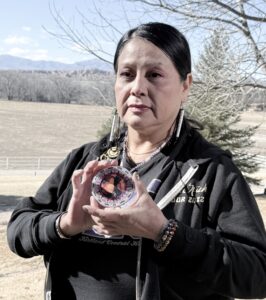
Three photos: Of Pamela Foster, of Pamela's necklace showing her with her daughter, Ashlynne, and a poster in tribute to Ashlynne
"Ashlynne's love is like a bright light that shines over Indian Country." —PAMELA FOSTER
Quote icon
Words like ‘sovereignty’ and ‘jurisdiction’ have almost become taboo. But any child who is missing should be the priority. It doesn’t matter where the resources are coming from. Let’s locate that child.
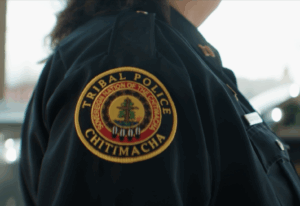
Jada Breaux Captain, Chitimacha Tribal Police (Louisiana)
Quote image
Quote icon
You don’t have to do it alone. Tribes across the U.S. are willing to share what works in getting AMBER Alert in Indian Country.
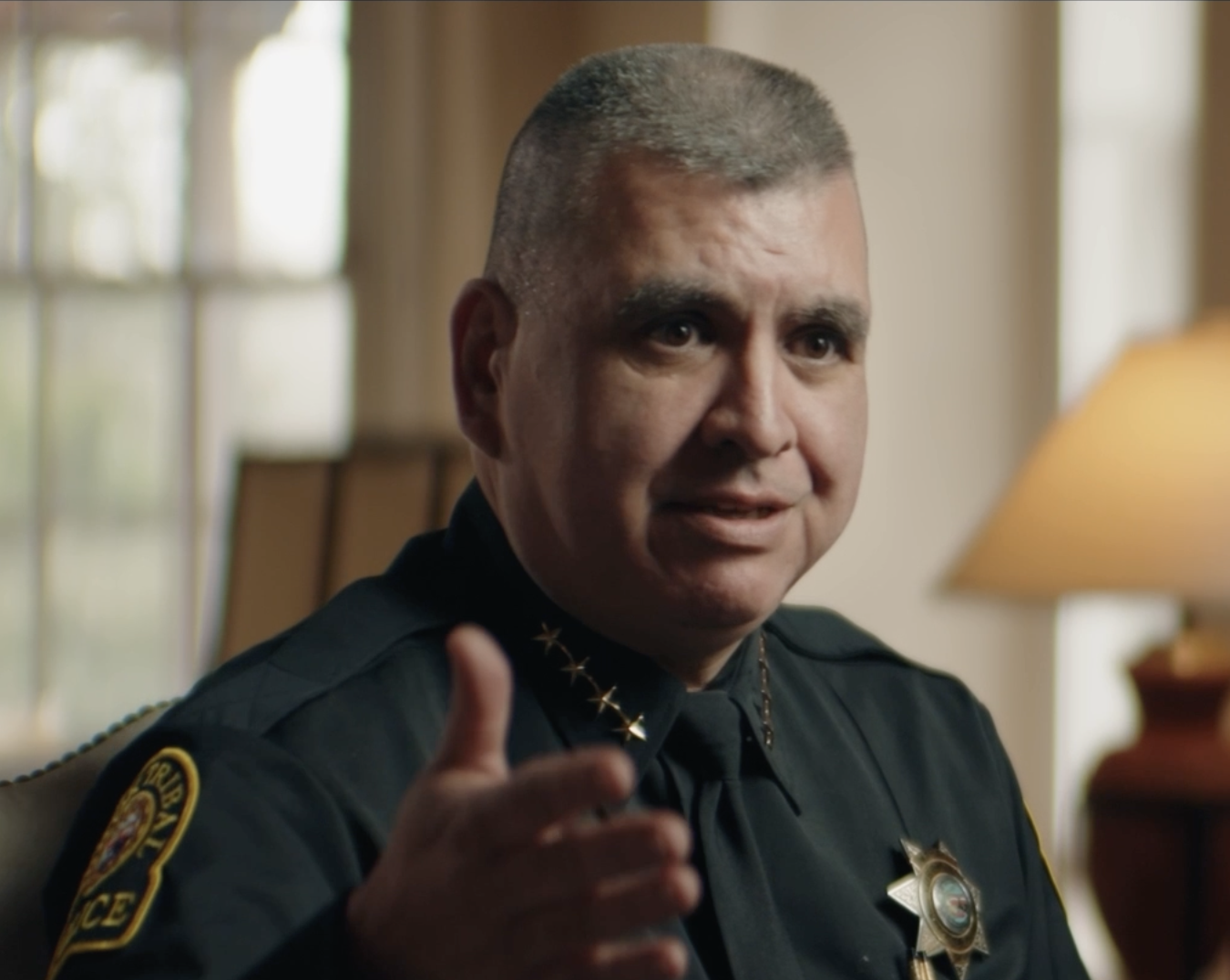
Greg O'Rourke Chief, Yurok Tribal Police Department (California)
Quote image
Quote icon
When missing children go silent, it’s a scream you cannot hear. Reach out to the AMBER Alert in Indian Country program nowto be prepared.
Joshua Keliikoa Public Safety Manager, Rincon Band of Luiseño Indians (California)
Quote image
Quote icon
AMBER Alert is the safety net for our children in danger. It’s our job and our responsibility to fight for them and be their voice.
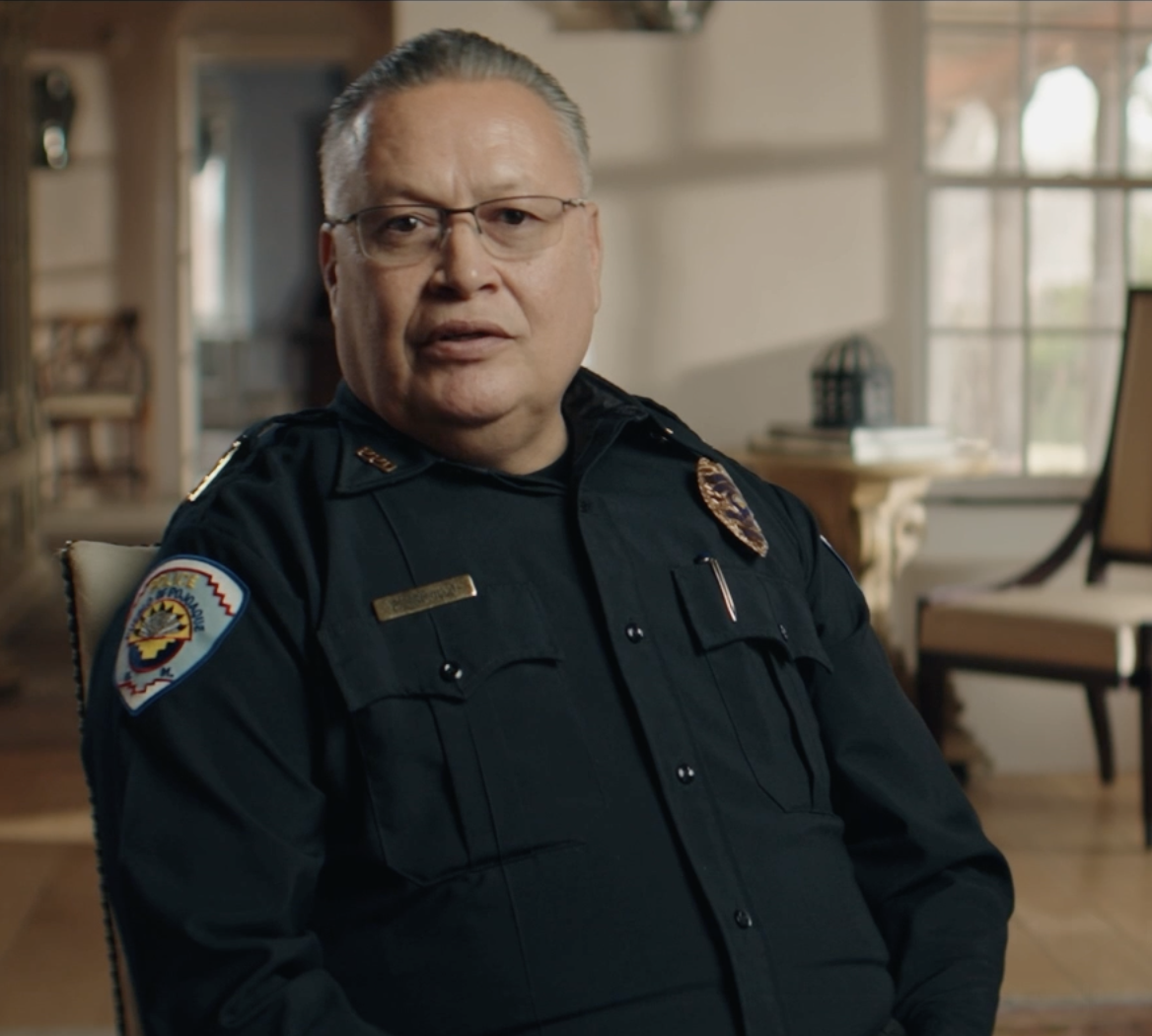
Freddie Trujillo Chief, Pueblo of Pojoaque Police (New Mexico)
Quote image
Quote icon
How can we protect our children? How can we ensure the best response is made when a child is missing or kidnapped?
Jenelle Roybal Governor, Pueblo of Pojoaque (New Mexico)
Quote image
Quote icon
When a child goes missing I can see the hurt in their family’s eyes. That empowers our team to work quickly, and diligently, on their behalf.
Nathan Barton Major, Pueblo of Pojoaque Police (New Mexico)
Quote image
Quote icon
Just because nothing’s happened doesn’t mean it won’t. The wolf is at the door. And we need to help each other or we won’tsolve this problem.
Laurie Gonzalez Councilwoman, Rincon Band of Luiseño Indians (California)
Quote image
Quote icon
Being fortunate doesn’t alleviate the responsibility of having a comprehensive plan for prevention and response in place.
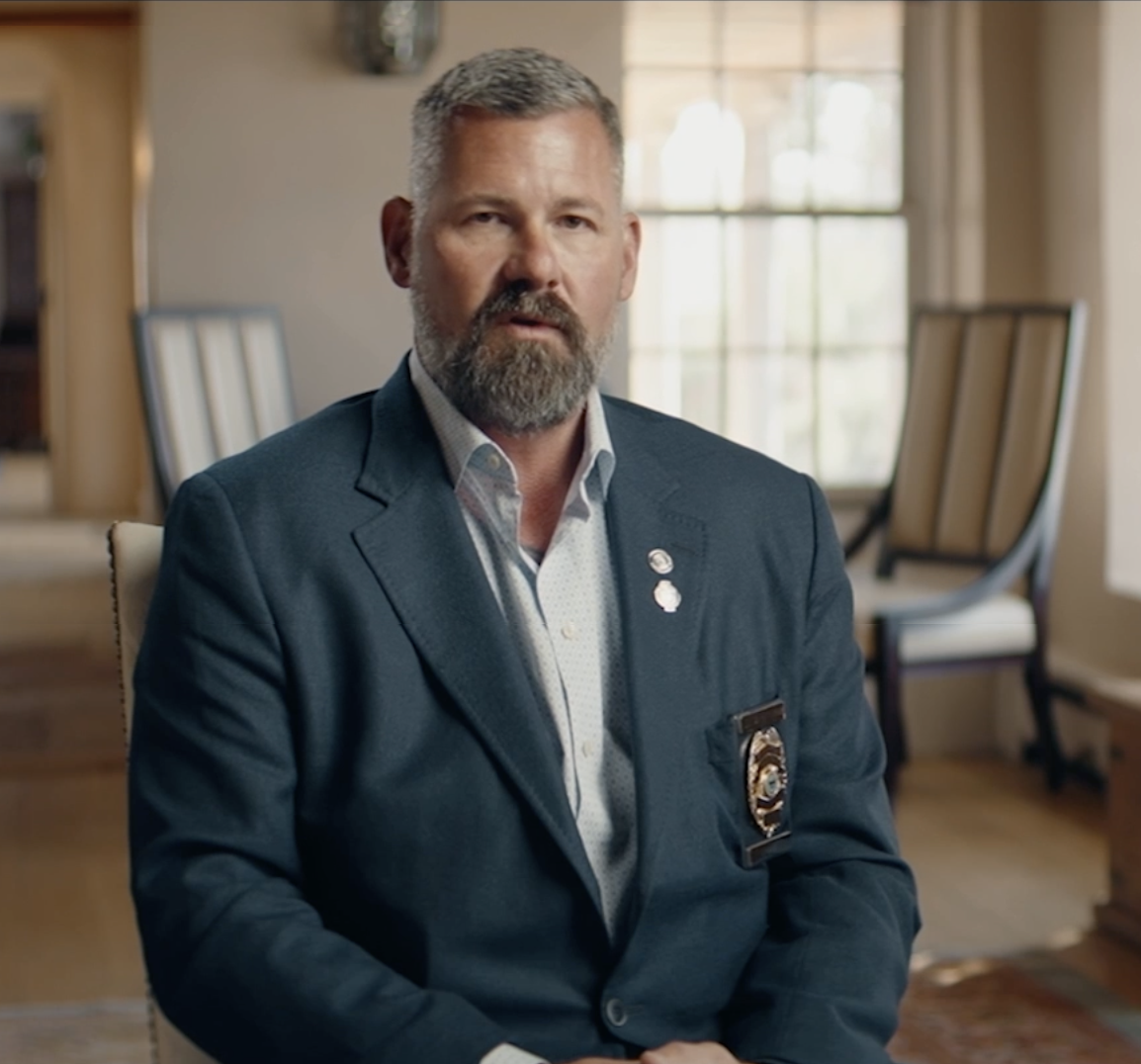
Taylor Patterson Deputy Chief, Miccosukee Police Department (Florida)
Quote image

'Telling Stories With Care, Authenticity & Dignity'

Photograph of five people involved in the film's production
The Bravebird crew in Santa Fe: Director Alex Miranda (far left), Director of Photography Ashley Siana, Director of Photography James Kwan, Sound Engineer Michael Twombly, and Producer Tim Peters. 

The new video’s director, Alex Miranda, and producer, Tim Peters, are the principals of Bravebird, an Indigenous-led filmmaking group based in Wisconsin that specializes in telling the stories of Indian Country.

“For us, and our families and communities, it’s important to share our stories with care, authenticity, and dignity," Miranda says.

One aspect of their work that shines through: “The land. Mother Earth,” he says. “She helps us realize that stories such as Ashlynne’s will never be forgotten.”

Bravebird was enlisted by the 6 AM Marketing team, also based in Wisconsin, for the care the group takes with delicate subject matter.

“Aaron [Hughes] and Laura [Fernandez] at 6 AM made this very easy,” Miranda says. “Everything was well thought through. Were so complementary in our skills with each other. That just creates a very holistic experience.”

The goal was to create an emotional hook, front and center, explains 6 AM Creative Director Hughes. “That really starts with Pamela Foster [Ashlynnes mother]. Thats what puts everybody in their seats paying attention at the start of this because of her experience,” he says. “Everything about her makes you pay attention.”

Foster was appreciative of the care that Bravebird and 6 AM crews devoted to helping her talk through the worst thing in life she has ever experienced: Ashlynnes abduction and murder.

Says 6 AM Account Manager Laura Fernandez, “We had to make sure from the beginning that we had a deep understanding of Pamela's story, the [AATTAP-AIIC] program and the issues surrounding it, and the importance of those we would be speaking to—to try not to create the narrative,” she says. “It was a weight of emotional importance unlike anything I've ever done.”

Hughes adds: “We all felt like we were assembling something that could profoundly alter the course of someones life,” Hughes says. “If one childs life can be spared because an AMBER Alert is in place, think of the ripple effect that will have. What a tremendous gift to participate in something like that.”